Total Joint Replacement: A Comprehensive Solution for Joint Pain and Dysfunction
Total joint replacement (TJR) is a highly effective surgical procedure designed to relieve pain, restore function, and improve the quality of life for individuals suffering from joint arthritis, degeneration, or injury. In total joint replacement, the damaged or worn-out parts of a joint are removed and replaced with artificial components, typically made from metal, plastic, or ceramic. This procedure is commonly performed on joints like the hip, knee, shoulder, and ankle, where damage has severely affected mobility and function.
What is Total Joint Replacement?
Total joint replacement is a procedure that involves removing the damaged portions of a joint and replacing them with prosthetic components. These components are designed to mimic the natural movement of the joint while relieving pain and improving function.
The most common joints replaced are:
- Hip Joint Replacement (Hip Arthroplasty): Replacing the damaged hip joint with a prosthetic ball-and-socket device.
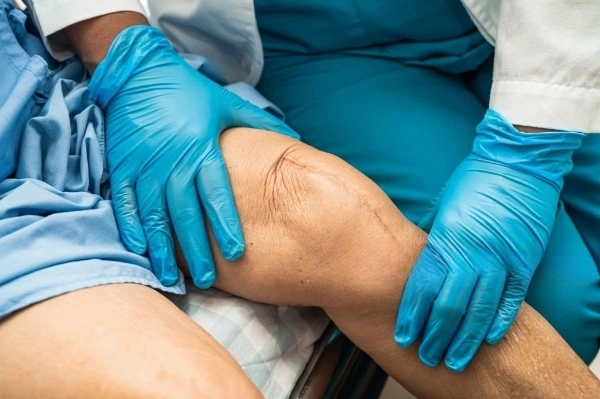
- Knee Joint Replacement (Knee Arthroplasty): Replacing the worn-out knee joint with a prosthetic device, restoring knee function and relieving pain.
- Shoulder Joint Replacement (Shoulder Arthroplasty): Replacing the damaged shoulder joint with a prosthetic ball-and-socket or reverse shoulder joint.
- Ankle Joint Replacement (Ankle Arthroplasty): Replacing the damaged ankle joint with prosthetic components designed to restore function and reduce pain.
Total joint replacement is most commonly performed on patients suffering from osteoarthritis, rheumatoid arthritis, post-traumatic arthritis, or degenerative joint diseases that have caused joint pain, stiffness, and a limited range of motion.
Benefits of Total Joint Replacement
- Pain Relief: The primary benefit of total joint replacement is the significant reduction or elimination of joint pain, which can make daily activities more manageable and improve overall comfort.
- Restored Function: By replacing the damaged joint surfaces, total joint replacement restores the ability to perform everyday tasks such as walking, climbing stairs, lifting, or dressing, allowing patients to regain mobility and independence.
- Improved Quality of Life: Many patients experience a dramatic improvement in their quality of life after surgery, with reduced pain, greater movement, and a renewed ability to participate in activities they enjoy.
- Durable, Long-Lasting Results: With proper care, the prosthetic components used in total joint replacement can last for 15-20 years or more, offering long-term relief and improved joint function.
- Faster Recovery: With advances in surgical techniques, many patients experience a quicker recovery, with reduced hospital stays and a faster return to daily activities compared to earlier joint replacement procedures.
Our Approach to Total Joint Replacement
- Comprehensive Evaluation: A thorough assessment is performed to evaluate the condition of your joint, including medical history, physical examination, and advanced imaging such as X-rays, MRIs, or CT scans. This helps determine if total joint replacement is the right treatment option for you.
- Customized Surgical Plan: Based on your specific condition, age, activity level, and health status, we develop a personalized surgical plan tailored to your needs. We carefully choose the most appropriate prosthetic components to ensure optimal results.
- Advanced Surgical Techniques: Our surgeons use the latest techniques in joint replacement surgery, including minimally invasive procedures, where possible, to reduce recovery time, minimize scarring, and enhance surgical outcomes.
- Post-Surgery Rehabilitation: A structured rehabilitation program is essential for maximizing the results of your total joint replacement. Physical therapy helps you regain strength, flexibility, and function, enabling you to return to your daily activities as soon as possible.
Who is a Candidate for Total Joint Replacement?
Total joint replacement is typically recommended for patients who:
- Are experiencing severe joint pain, stiffness, and loss of function due to conditions like osteoarthritis, rheumatoid arthritis, or traumatic injuries.
- Have not found relief from nonsurgical treatments such as medications, physical therapy, or injections.
- Have significant joint damage that affects their quality of life, making it difficult to perform daily activities.
- Are generally in good health and able to undergo surgery with reasonable risks.
Patients with certain underlying health conditions may require additional assessments to determine if they are suitable candidates for surgery.
Take the First Step Toward Pain-Free Living
If you are suffering from debilitating joint pain and have found that nonsurgical treatments are no longer effective, total joint replacement may be the solution you need. Contact us today to schedule a consultation and learn more about how this procedure can help you restore function, relieve pain, and improve your overall quality of life.