
Knee Arthroscopic Surgery: A Minimally Invasive Solution for Knee Pain and Dysfunction
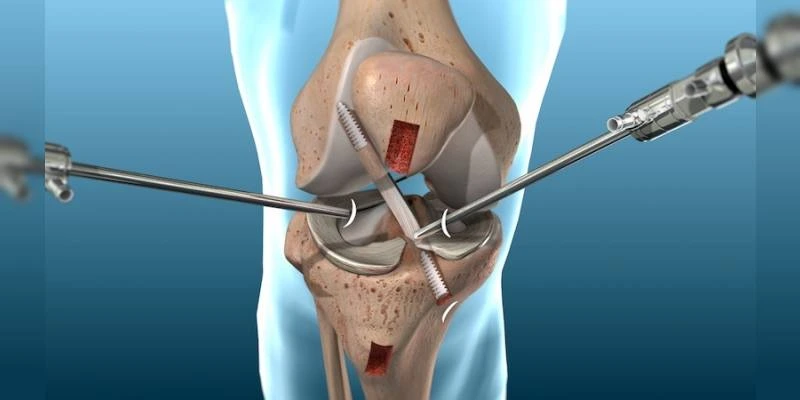
Knee arthroscopic surgery is a minimally invasive procedure used to diagnose, treat, and repair various knee joint conditions. By using small incisions and a tiny camera (arthroscope), surgeons can visualize the inside of the knee joint and perform precise repairs with minimal disruption to surrounding tissues. This advanced technique offers faster recovery, less postoperative pain, and a quicker return to daily activities compared to traditional open surgery.
Knee arthroscopy is a surgical procedure that involves inserting a small camera (arthroscope) through a small incision into the knee joint. The arthroscope allows the surgeon to see the inside of the joint on a monitor, helping to diagnose conditions and guide surgical interventions. The surgeon may also insert small surgical instruments through other small incisions to treat the condition, such as removing damaged tissue, repairing cartilage, or performing ligament reconstructions.
This procedure is commonly used for the treatment of:
Meniscus Tears: Arthroscopy is commonly used to repair or remove torn portions of the meniscus (the cartilage that cushions the knee joint), allowing patients to regain knee function and reduce pain.
Ligament Injuries: Knee arthroscopy can be used to treat ligament tears, such as anterior cruciate ligament (ACL) or posterior cruciate ligament (PCL) injuries. Surgeons can repair or reconstruct these ligaments using arthroscopic techniques, improving knee stability.
Cartilage Damage: For patients with cartilage damage or chondral lesions, knee arthroscopy can be used to smooth rough areas, remove damaged tissue, or stimulate cartilage regeneration to improve joint health and function.
Loose Bodies in the Knee: Arthroscopy is effective for removing loose fragments of bone or cartilage that may be floating in the knee joint, causing pain, inflammation, and locking of the knee.
Knee Arthritis: In some cases, arthroscopic surgery can be used to remove damaged cartilage, smooth rough surfaces, and clean the joint to reduce pain and improve movement in patients with knee arthritis.
Patellar Problems: Arthroscopic surgery can be used to treat patellar (kneecap) issues, such as tracking problems or damage to the cartilage, helping to restore normal knee function and alleviate pain.
Knee arthroscopy is typically recommended for individuals who:
Your surgeon will assess your overall health, activity level, and the severity of your knee condition to determine if knee arthroscopy is the right approach for you.
Comprehensive Evaluation: Before surgery, a thorough assessment is performed, including a physical examination, imaging studies (such as X-rays and MRI), and a review of your medical history. This ensures the most accurate diagnosis and treatment plan.
Personalized Surgical Plan: Based on the results of your evaluation, a customized treatment plan is created to address your specific knee condition. Our surgeons use state-of-the-art arthroscopic techniques to ensure precision and optimal results.
Advanced Surgical Techniques: Our surgeons employ the latest technology and techniques in knee arthroscopy, including high-definition cameras and minimally invasive tools, to provide the most effective and efficient treatment.
Post-Surgery Rehabilitation: Following knee arthroscopy, a personalized rehabilitation program will be designed to restore strength, flexibility, and function to your knee. This may include physical therapy, strengthening exercises, and gradual reintroduction to normal activities.
Recovery from knee arthroscopic surgery is typically faster than traditional surgery. Most patients can return to light activities within a few weeks. However, full recovery, especially for sports-related activities, may take several months. Physical therapy is essential for restoring knee strength, flexibility, and range of motion. The rehabilitation process is customized based on the patient’s needs and the type of condition treated.
If you are dealing with knee pain, instability, or dysfunction, knee arthroscopic surgery may be the solution to help you regain joint function, alleviate pain, and improve your quality of life. Contact us today to schedule a consultation and explore how this minimally invasive procedure can benefit you.

Expert in trauma care, sports medicine, joint replacement, and deformity correction, delivering advanced orthopedic solutions with precision and care.
Copyright @ 2024. All rights reserved. Designed by AppAdd India Pvt Ltd…