
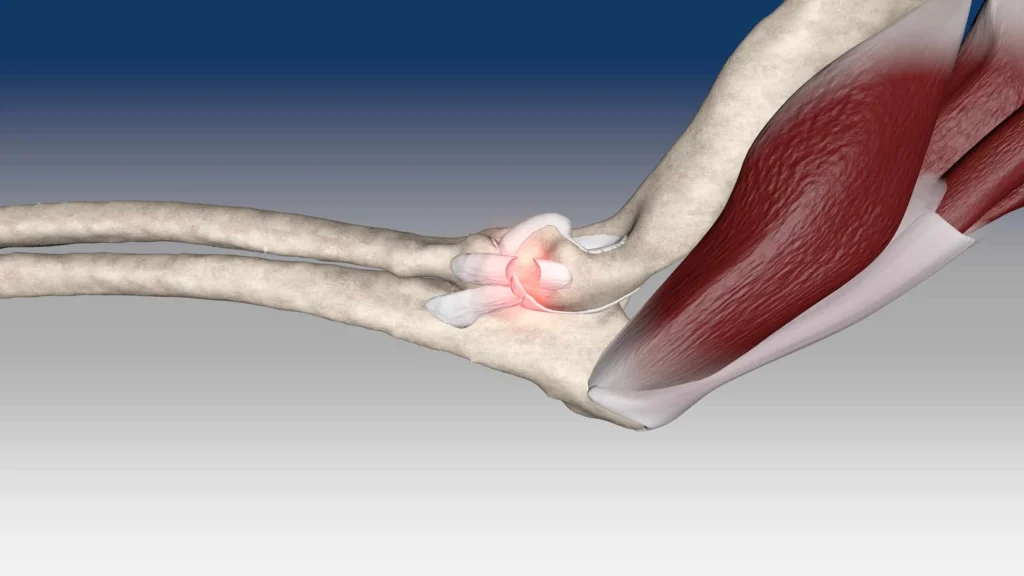
Elbow Ligament Reconstruction and Stabilization: Restoring Stability and Function to the Elbow Joint
Elbow ligament reconstruction and stabilization surgery is a specialized procedure designed to repair or reconstruct damaged ligaments in the elbow joint. Ligaments are crucial for maintaining the stability of the elbow, allowing for proper movement and function. Injuries to these ligaments, particularly the ulnar collateral ligament (UCL) in athletes or those involved in repetitive overhead motions, can lead to pain, instability, and loss of function. Elbow ligament reconstruction and stabilization are effective solutions to restore stability, relieve pain, and allow for a return to regular activities, including sports.
Elbow ligament reconstruction involves the repair or replacement of a damaged ligament, typically the UCL, which is located on the inner side of the elbow. The UCL is essential for stabilizing the elbow, particularly during activities that involve throwing or repetitive overhead motions.
In cases where the ligament is torn or severely damaged, a surgical procedure is performed to either repair or reconstruct the ligament using graft tissue from the patient’s own body or a donor (autograft or allograft). In some cases, other ligaments and soft tissues around the elbow may also be repaired or stabilized to improve overall joint function and stability.
Ulnar Collateral Ligament (UCL) Injuries: UCL tears or instability are common among athletes, especially in baseball players and other sports involving overhead throwing motions. UCL injuries can result in pain, instability, and decreased performance, requiring surgical intervention to restore the ligament’s function.
Chronic Elbow Instability: Chronic instability of the elbow joint may result from ligament laxity or tears, leading to a feeling of “giving way” or “looseness” in the elbow. Reconstruction and stabilization of the ligaments can provide relief and restore joint integrity.
Elbow Dislocations: Dislocations or subluxations of the elbow often result in damage to the ligaments and surrounding structures. Ligament reconstruction may be necessary to restore normal joint function and prevent future dislocations.
Post-Traumatic Elbow Instability: Following traumatic injury to the elbow, such as fractures or ligament ruptures, ligament reconstruction may be required to stabilize the joint and restore normal function.
Throwing Injuries: Athletes involved in throwing sports (such as baseball, football, or tennis) often develop elbow instability or ligament injuries due to the repetitive stress placed on the elbow. Surgical intervention can help in repairing damaged ligaments to allow a safe return to sport.
Comprehensive Evaluation: A thorough evaluation of your elbow, including physical examination, medical history, and imaging studies (X-rays, MRIs, CT scans), is performed to assess the severity of the ligament injury and determine the best course of treatment.
Customized Surgical Plan: Based on the location and extent of the ligament injury, a personalized treatment plan is developed. The surgeon will determine the most appropriate surgical approach, including the use of autografts (tissue from the patient) or allografts (donor tissue).
State-of-the-Art Surgical Techniques: Using minimally invasive techniques, where possible, the surgeon will reconstruct or stabilize the damaged ligament. Advanced technology, such as arthroscopic-assisted procedures, may be used to enhance precision and reduce recovery time.
Rehabilitation and Recovery: A structured rehabilitation program is essential for regaining strength, flexibility, and functionality in the elbow after ligament reconstruction. Physical therapy will focus on restoring joint stability, improving range of motion, and gradually reintroducing strength-building exercises.
Elbow ligament reconstruction is typically recommended for patients who:
Candidates are assessed on a case-by-case basis, considering factors like overall health, age, activity level, and the severity of the ligament injury.
If you are dealing with elbow instability, pain, or injury, ligament reconstruction and stabilization may be the key to restoring joint function and improving your quality of life. Contact us today to schedule a consultation and explore how this specialized procedure can help you regain stability, alleviate pain, and return to your normal activities or sports.

Expert in trauma care, sports medicine, joint replacement, and deformity correction, delivering advanced orthopedic solutions with precision and care.
Copyright @ 2024. All rights reserved. Designed by AppAdd India Pvt Ltd…