
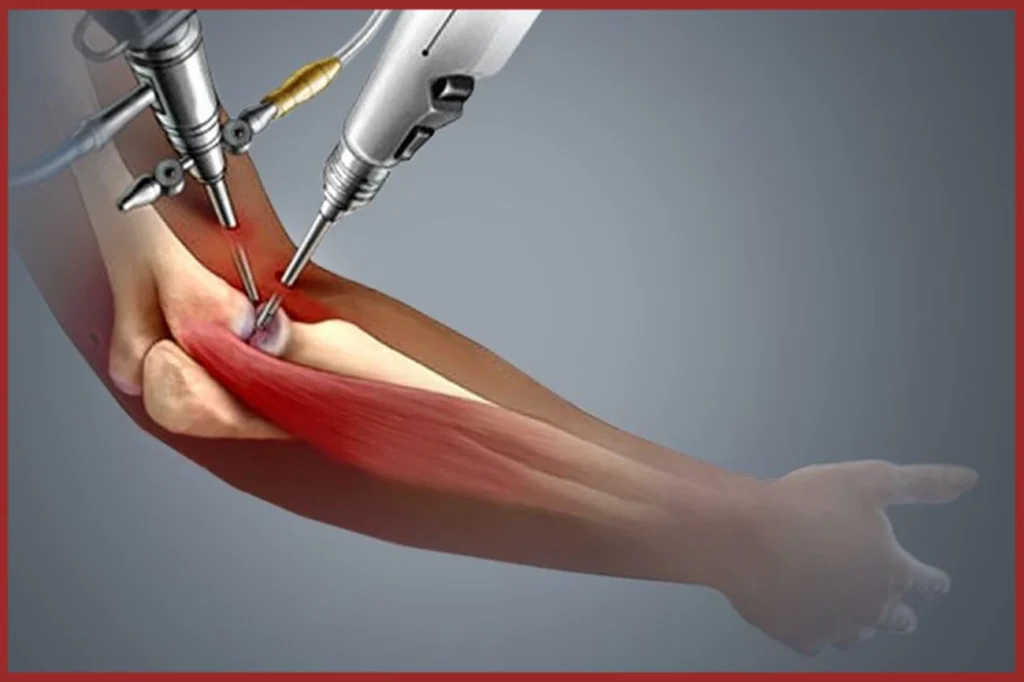
Elbow Arthroplasty Surgery: Restoring Function and Relieving Pain in the Elbow Joint
Elbow arthroplasty surgery, also known as elbow replacement, is an effective procedure designed to relieve pain and restore function in patients with severe elbow arthritis, joint deformities, or significant elbow injuries. Whether you have suffered from osteoarthritis, rheumatoid arthritis, or post-traumatic arthritis, elbow arthroplasty can help improve your quality of life by reducing pain and increasing mobility.
Elbow arthroplasty surgery involves replacing the damaged or diseased parts of the elbow joint with artificial components. This procedure is typically recommended when other treatment options, such as medications, physical therapy, or injections, have not provided adequate relief. The goal of elbow arthroplasty is to reduce pain, improve range of motion, and restore the functional strength of the elbow.
There are several types of elbow arthroplasty surgeries, including:
Total Elbow Arthroplasty (TEA): In this procedure, both the humeral component (upper arm bone) and the ulnar component (forearm bone) are replaced with prosthetic components, typically in patients with advanced arthritis or severe joint damage.
Partial Elbow Arthroplasty: This procedure replaces only one component of the elbow joint, typically the humeral or ulnar part, while preserving the other part of the joint. This approach is often used for patients with localized joint damage.
Pain Relief: Elbow arthroplasty significantly reduces or eliminates chronic elbow pain caused by arthritis, joint deformities, or post-traumatic conditions, helping patients return to daily activities without discomfort.
Improved Range of Motion: The procedure restores the full range of motion in the elbow, enabling patients to perform essential tasks such as lifting, carrying, and bending the elbow without pain.
Enhanced Quality of Life: By relieving pain and improving joint function, elbow replacement surgery can greatly improve a patient’s ability to engage in recreational activities, sports, and everyday tasks like cooking, dressing, and driving.
Durability: Modern prosthetic components used in elbow arthroplasty are designed for longevity and durability. These implants are built to withstand daily activities for years, providing long-term relief from joint pain.
Elbow arthroplasty is typically recommended for patients with the following conditions:
Osteoarthritis: The most common form of arthritis, where the cartilage in the elbow joint wears away, leading to pain, stiffness, and decreased mobility.
Rheumatoid Arthritis: An autoimmune condition that causes joint inflammation and can lead to significant damage to the elbow joint.
Post-Traumatic Arthritis: This condition results from previous injuries, fractures, or dislocations of the elbow that have caused joint degeneration or deformity.
Elbow Fractures: Severe fractures that are difficult to treat with other methods may require elbow replacement to restore functionality.
Avascular Necrosis (AVN): A condition where the blood supply to the bones of the elbow is disrupted, causing bone death and leading to joint collapse.
Elbow Deformities: Severe deformities or misalignments in the elbow joint that result from arthritis or traumatic injuries may be corrected with elbow arthroplasty.
Total Elbow Arthroplasty (TEA): In total elbow replacement surgery, both the upper arm bone (humerus) and the forearm bone (ulna) are replaced with prosthetic components. This surgery is recommended for patients with advanced arthritis, severe joint destruction, or poor function due to injury.
Partial Elbow Arthroplasty: In partial elbow replacement, only the damaged portion of the elbow joint (either the humeral or ulnar component) is replaced, while the rest of the joint is preserved. This option is usually for patients with limited damage to one part of the joint and is typically used for isolated arthritis or injury.
Elbow arthroplasty is considered for individuals who:
Your orthopedic surgeon will evaluate your condition through a detailed physical exam, medical history review, and imaging studies (X-rays or MRI) to determine whether elbow arthroplasty is the best treatment option for you.
Pre-Operative Assessment: Before surgery, your surgeon will conduct a thorough evaluation to determine the extent of damage and select the appropriate type of elbow replacement. This may involve imaging studies, such as X-rays or MRI, to visualize the joint structure.
Anesthesia: Elbow arthroplasty is typically performed under general anesthesia or regional anesthesia (e.g., a nerve block), ensuring that you are comfortable and pain-free during the procedure.
Surgical Procedure: During the surgery, your surgeon will make an incision to access the elbow joint. The damaged or diseased portions of the humerus and/or ulna will be removed and replaced with artificial components. In total elbow replacement, both the upper arm and forearm components will be replaced; in partial replacement, only the damaged part will be addressed.
Post-Surgical Care: After surgery, you will be monitored for pain control, swelling, and other vital signs. Most patients stay in the hospital for 1-2 days, after which they can begin gentle exercises to restore movement.
Initial Recovery: Following elbow replacement surgery, patients typically wear a sling for several weeks to protect the joint and limit movement. Pain management will be carefully monitored, and rehabilitation begins early to restore elbow function.
Physical Therapy: Rehabilitation is essential to recover full mobility and strength in the elbow. The physical therapy program will include range-of-motion exercises in the initial phase, followed by strength and flexibility exercises as healing progresses.
Long-Term Care: Regular follow-up visits with your orthopedic surgeon will be required to monitor the progress of the recovery and ensure the prosthetic implant is functioning well. Most patients are able to return to light activities in 3-6 weeks, with full recovery taking several months.
Elbow arthroplasty is a highly effective procedure that provides significant relief from chronic pain and restores function in patients with advanced elbow arthritis, trauma, or joint deformities. Modern elbow implants offer excellent durability and can provide long-lasting benefits, allowing you to regain independence and participate in daily activities with less pain and greater ease.
If you are experiencing chronic elbow pain that affects your ability to perform everyday activities, elbow arthroplasty surgery could be the solution to restoring pain-free movement. Contact us today to schedule a consultation and learn more about how elbow replacement surgery can improve your quality of life.

Expert in trauma care, sports medicine, joint replacement, and deformity correction, delivering advanced orthopedic solutions with precision and care.
Copyright @ 2024. All rights reserved. Designed by AppAdd India Pvt Ltd…