
Dislocations

Comprehensive Care for Joint Dislocations

A joint dislocation occurs when the bones within a joint are forced out of their normal position, often resulting in intense pain, swelling, and immobility. Dislocations are typically caused by trauma, falls, or sports injuries and can affect any joint, though they are most common in the shoulder, elbow, finger, knee, and hip. Immediate and proper treatment is essential to restore the joint’s alignment, prevent long-term complications, and allow a safe return to daily activities.

Common Types of Joint Dislocations

  1. Shoulder Dislocations: The shoulder joint is particularly vulnerable to dislocations due to its wide range of motion. Dislocations can cause significant pain and may damage nearby ligaments or nerves.
  2. Elbow Dislocations: Often caused by falls, elbow dislocations can limit arm function and may require surgical intervention if ligaments are torn.
  3. Finger Dislocations: Common in sports, finger dislocations are typically treated by manually repositioning the joint, followed by splinting.
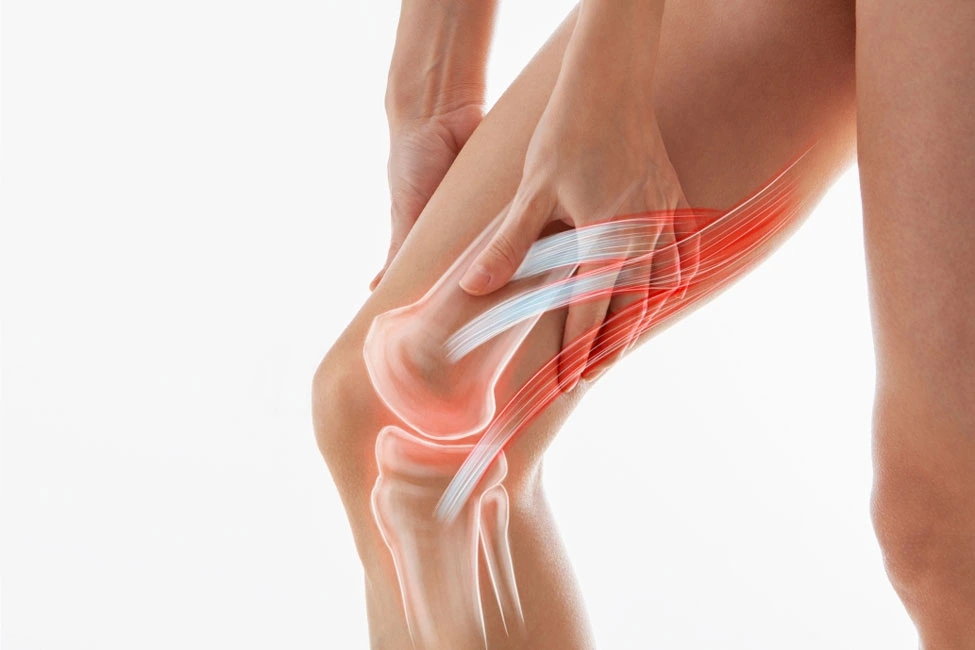
  4. Knee Dislocations: While rare, knee dislocations are serious injuries that may damage surrounding ligaments, blood vessels, or nerves.
  5. Hip Dislocations: A high-impact injury, such as a car accident, is often the cause. Hip dislocations require urgent medical attention to prevent complications, such as avascular necrosis (bone tissue death).

Dislocation Treatment Options

  1. Closed Reduction: In this non-surgical procedure, the bones are gently repositioned into their normal alignment. It’s commonly used for straightforward dislocations and may be performed with local or general anesthesia.
  2. Immobilization: After realignment, the joint is typically immobilized with a brace or sling to allow for healing and prevent re-dislocation.
  3. Physical Therapy: Rehabilitation is essential after a dislocation to strengthen muscles around the joint, restore flexibility, and reduce the risk of future dislocations.
  4. Surgical Repair: If ligaments, tendons, or cartilage are damaged or if the joint is prone to recurring dislocations, surgical intervention may be necessary to stabilize and repair the joint.

Benefits of Prompt Dislocation Treatment

  1. Pain Relief: Realigning the joint reduces pain and pressure, allowing for faster recovery.
  2. Prevents Further Injury: Timely treatment minimizes damage to surrounding structures like ligaments, nerves, and blood vessels.
  3. Restores Function: Proper healing allows patients to regain strength, range of motion, and normal function.
  4. Reduces Recurrence: Physical therapy and, in some cases, surgical stabilization help prevent chronic instability and recurring dislocations.

Recovery and Rehabilitation

Recovery from a dislocation involves:

  1. Rest and Immobilization: The joint may be immobilized with a sling, splint, or brace to support proper healing.
  2. Physical Therapy: Rehabilitation exercises are essential to restore strength, flexibility, and joint stability.
  3. Gradual Return to Activity: Once the joint has stabilized, patients can return to daily activities, guided by their healthcare provider’s recommendations.

Seek Immediate Care for Dislocations

If you experience a dislocation, timely treatment is crucial to restore alignment, relieve pain, and prevent further complications. Contact us to receive expert care and rehabilitation, helping you recover fully and confidently.
