
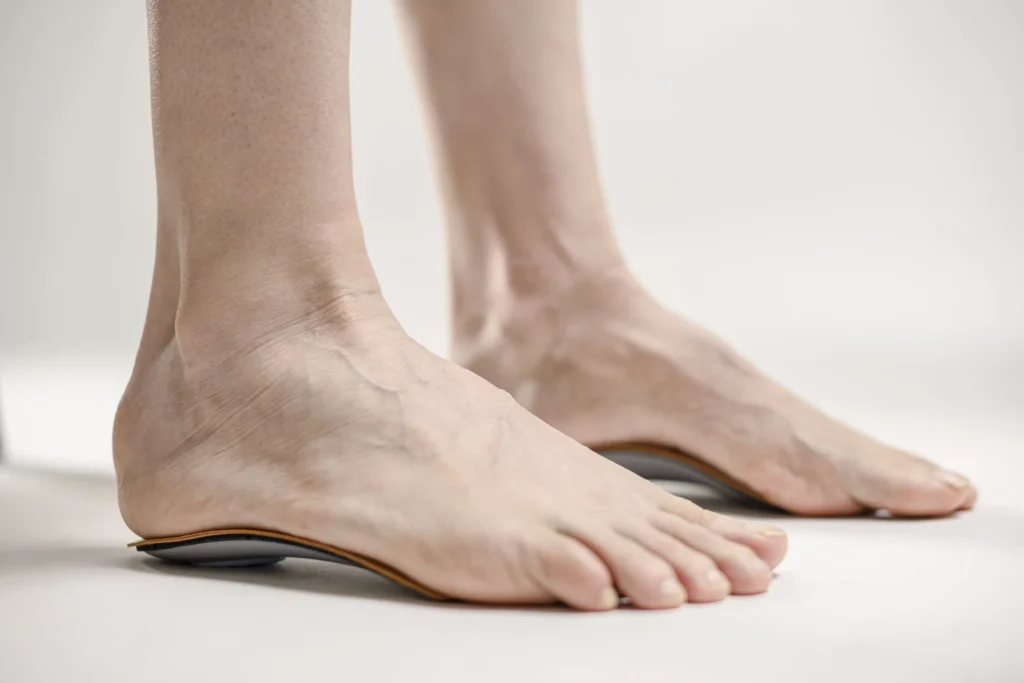
Deformity Correction of the Foot: Restoring Function and Alignment
Foot deformities can cause pain, discomfort, and difficulty with daily activities. Conditions such as bunions, hammertoes, flatfoot, and others can impact your ability to walk, stand, or perform basic tasks. Deformity correction of the foot is a surgical approach aimed at realigning and stabilizing the bones, joints, and soft tissues of the foot to restore function, reduce pain, and improve the overall quality of life.
Foot deformity correction involves surgical procedures designed to address and correct misalignments, structural abnormalities, or congenital defects of the foot. These deformities can affect various parts of the foot, including the toes, arches, and the overall structure, and may be caused by conditions like arthritis, trauma, congenital deformities, or long-standing abnormalities. The goal of deformity correction is to restore the normal alignment of the foot, improve its function, relieve pain, and prevent further deformities from developing.
Several conditions can lead to foot deformities, and deformity correction surgery may be required when conservative treatments like medication, physical therapy, or orthotics are no longer effective. Common foot deformities that can be treated with correction surgery include:
Bunions (Hallux Valgus): A painful, bony bump that forms at the base of the big toe, often causing the toe to turn inward. Surgery is often performed to realign the bones and relieve pain.
Hammertoes: A condition where the toes bend abnormally at the middle joint, often causing pain, corns, or calluses. Surgical correction can straighten the toes and relieve discomfort.
Flatfoot (Pes Planus): A condition where the arches of the feet collapse, causing the foot to flatten out and leading to pain and instability. Surgery can realign the bones and tendons to restore the natural arch.
Claw Toes: Similar to hammertoes, but the toes are bent at both the middle and end joints, often leading to pain and difficulty wearing shoes. Surgical intervention can straighten the toes and improve mobility.
Cavus Foot (High Arches): A condition where the arch is excessively high, leading to instability and pain. Surgery may be required to adjust the alignment of the bones and restore balance.
Charcot Foot Disease: A progressive condition affecting people with neuropathy (often seen in diabetic patients), where the bones in the foot become weakened and deformed. Surgical correction can stabilize the foot and prevent further damage.
Forefoot Deformities: Conditions affecting the toes and metatarsal region, such as metatarsalgia, bunions, and others, can cause pain and difficulty with walking. Surgical procedures can address misalignment, realign the bones, and relieve symptoms.
Tarsal Coalition: An abnormal connection between two bones in the foot, often causing pain and limited motion. Surgery may be required to remove the coalition or re-align the affected bones.
Correcting foot deformities generally involves several key steps:
Pre-Surgical Evaluation:
Surgical Procedure:
Post-Surgical Care:
Recovery from foot deformity correction surgery varies depending on the complexity of the procedure and the specific deformity treated. However, the general recovery process includes:
Initial Recovery:
Physical Therapy:
Long-Term Care:
Return to Activity:
As with any surgical procedure, there are risks associated with foot deformity correction surgery, including:
Your orthopedic surgeon will discuss these risks with you in detail and provide guidelines on how to minimize them during your recovery.
Candidates for foot deformity correction surgery are typically individuals who:
Your orthopedic surgeon will evaluate your condition and recommend the most appropriate surgical option based on the type of deformity and your overall health.
If you are suffering from foot deformities that impact your ability to move comfortably or perform daily tasks, deformity correction surgery can provide relief, improve foot function, and restore stability. These procedures are designed to realign the bones and joints of the foot, address deformities, and help you return to an active and pain-free lifestyle.
If you are struggling with foot deformities, it may be time to consider surgical correction. Contact us today to schedule a consultation with an orthopedic surgeon and discuss your options for restoring the alignment, stability, and function of your foot.

Expert in trauma care, sports medicine, joint replacement, and deformity correction, delivering advanced orthopedic solutions with precision and care.
Copyright @ 2024. All rights reserved. Designed by AppAdd India Pvt Ltd…