
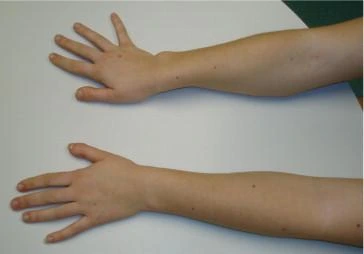
Corrective surgeries for deformity of wrist

Corrective Surgeries for Deformity of the Wrist: Restoring Function and Alignment

Wrist deformities can result from congenital conditions, traumatic injuries, or long-term wear and tear, causing pain, limited movement, and difficulty performing everyday tasks. Corrective surgeries for wrist deformities are designed to realign the bones, tendons, and joints to restore normal function, improve appearance, and reduce pain.

Types of Wrist Deformities Treated with Corrective Surgery

Several conditions may cause wrist deformities, including:

  1. Radial Deviation: A condition where the wrist tilts toward the thumb side, often caused by fractures or arthritis.
  2. Ulnar Deviation: This is when the wrist tilts toward the little finger side, commonly seen in rheumatoid arthritis.
  3. Wrist Drop: Caused by nerve damage or muscle weakness, leading to the inability to extend the wrist or fingers.
  4. Scaphoid Nonunion or Malunion: Improper healing of scaphoid fractures, leading to wrist deformity and pain.
  5. Wrist Osteoarthritis: Degeneration of cartilage in the wrist joint that can lead to deformity and loss of movement.
  6. Congenital Deformities: Some wrist deformities are present at birth and require corrective surgery to improve function and alignment.

Corrective Surgery Options

The surgical approach depends on the type and severity of the deformity. Common procedures include:

  1. Osteotomy: Cutting and realigning bones to correct misalignment or deformity.
  2. Arthrodesis (Fusion): Fusing bones in the wrist joint to provide stability in cases of severe arthritis or instability.
  3. Joint Replacement: Replacing the damaged joint with an artificial implant, particularly in cases of arthritis or joint degeneration.
  4. Tendon or Ligament Repair: Restoring or repairing damaged tendons and ligaments to improve function and alignment.
  5. Soft Tissue Procedures: Adjusting or lengthening soft tissues around the wrist to restore normal positioning and function.

Benefits of Corrective Wrist Surgery

  1. Improved Function: Restores the normal range of motion and strength, allowing patients to return to daily activities.
  2. Pain Relief: Corrects deformities that may be causing chronic pain, leading to significant relief.
  3. Prevents Further Damage: Early correction can prevent the progression of deformities and long-term joint damage.
  4. Enhanced Quality of Life: Restoring wrist function and stability enables patients to engage in sports, work, and other activities.

Who Should Consider Wrist Deformity Correction Surgery?

Wrist deformity correction surgery is ideal for individuals who:

  1. Experience persistent pain, stiffness, or weakness in the wrist due to a deformity.
  2. Have not found relief through conservative treatments such as medications or physical therapy.
  3. Have functional limitations or difficulty performing daily tasks due to wrist deformity.

Recovery and Rehabilitation

Recovery from corrective wrist surgery typically involves:

  1. Post-Surgery Immobilization: The wrist may be immobilized in a splint or cast for a few weeks to allow healing.
  2. Physical Therapy: After immobilization, physical therapy will focus on restoring strength, flexibility, and movement in the wrist.
  3. Gradual Return to Activity: Full recovery may take several months, depending on the complexity of the procedure and the patient’s overall health.

Restore Function and Alignment

If you are struggling with a wrist deformity, corrective surgery can help restore your wrist’s function, reduce pain, and improve your overall quality of life. Contact us today to schedule a consultation and explore your surgical options for wrist deformity correction.
