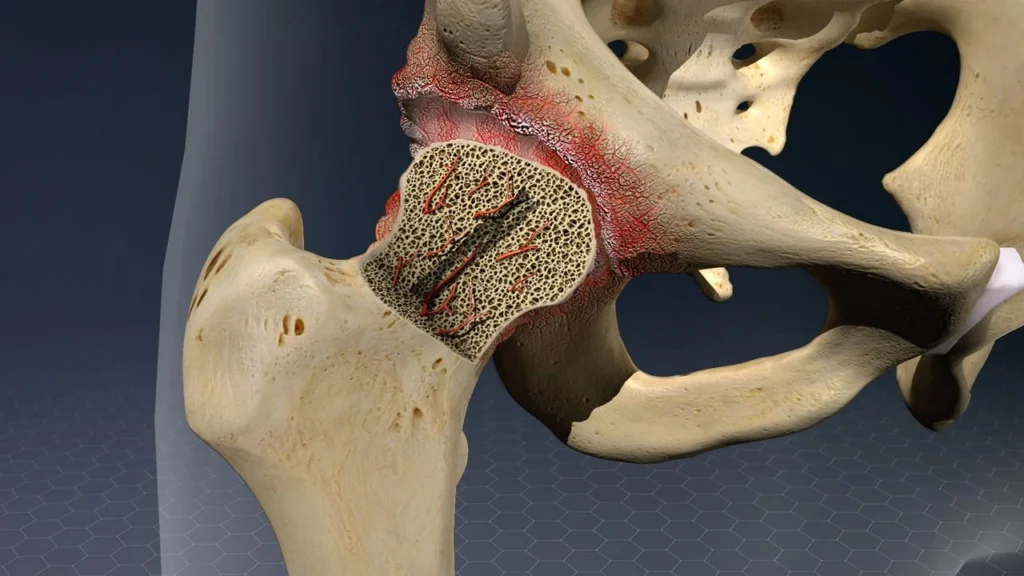
Core Decompression Osteotomy Around the Hip: A Solution for Avascular Necrosis
Core decompression osteotomy around the hip is a specialized procedure used to treat avascular necrosis (AVN) of the hip, a condition where the blood supply to the femoral head (the ball of the hip joint) is disrupted, leading to bone death and joint collapse. This surgery aims to relieve pain, improve joint function, and prevent the need for a total hip replacement, particularly in younger patients or those in the early stages of AVN.
What is Core Decompression Osteotomy Around the Hip?
Core decompression osteotomy is a surgical procedure designed to improve blood flow to the femoral head and reduce the pressure within the joint, allowing the bone to heal and regenerate. The procedure involves creating small holes (cores) in the femoral head to relieve pressure and stimulate blood flow to the affected area.
In some cases, this procedure may be combined with an osteotomy, a surgical cut in the bone that realigns or reshapes the hip joint to redistribute weight and pressure more evenly. This combined approach can be particularly effective in treating patients with advanced stages of AVN, as it can help improve the function of the hip joint and delay the need for more invasive procedures like hip replacement.
Core decompression and osteotomy are most often performed in the early to middle stages of avascular necrosis, before significant joint collapse occurs, offering the best chances for preserving the natural hip joint.
Benefits of Core Decompression Osteotomy Around the Hip
- Pain Relief: By relieving pressure and improving blood supply to the femoral head, core decompression can significantly reduce pain caused by avascular necrosis, allowing patients to return to daily activities.
- Prevention of Joint Collapse: Core decompression can help delay the collapse of the femoral head, which can result in the need for a total hip replacement.
- Joint Preservation: In many cases, core decompression combined with osteotomy can restore hip function, prevent further degeneration, and help preserve the hip joint, especially in younger, active patients.
- Less Invasive Than Hip Replacement: This procedure is less invasive compared to a total hip replacement and involves a shorter recovery time, allowing for a faster return to normal activities.
- Improved Mobility: By restoring function and relieving pressure in the hip joint, patients often experience improved mobility, making it easier to walk, climb stairs, and perform other everyday activities.
Our Approach to Core Decompression Osteotomy Around the Hip
- Comprehensive Evaluation: Before surgery, a detailed evaluation is conducted, including physical examination, medical history review, and advanced imaging such as MRI and X-rays to assess the extent of avascular necrosis and determine if core decompression is appropriate.
- Customized Treatment Plan: Based on the severity of the condition and the patient’s individual needs, a personalized surgical plan is created. In some cases, an osteotomy may be combined with core decompression to further improve joint function and relieve pressure.
- Advanced Surgical Techniques: The procedure is performed using minimally invasive techniques wherever possible, allowing for smaller incisions, reduced muscle disruption, and a quicker recovery. The core decompression is carried out with precision to ensure the best possible outcome.
- Post-Surgery Rehabilitation: Rehabilitation is essential to ensure proper healing and recovery. A tailored physical therapy program will help strengthen the muscles around the hip, restore flexibility, and improve the range of motion to support a full recovery.
Who is a Candidate for Core Decompression Osteotomy Around the Hip?
Core decompression and osteotomy are typically recommended for patients who:
- Have been diagnosed with avascular necrosis in the early to middle stages (before significant joint collapse).
- Are relatively young and active, and wish to preserve their natural hip joint.
- Have good bone quality and are otherwise in good health.
- Have not responded to nonsurgical treatments, such as medications, rest, and physical therapy.
Patients with advanced or late-stage avascular necrosis, where the femoral head has collapsed significantly, may require a total hip replacement instead.
Take the First Step Toward Hip Preservation
If you are suffering from avascular necrosis and wish to preserve your hip joint and avoid the need for a total hip replacement, core decompression osteotomy around the hip may be the ideal solution. Contact us today to schedule a consultation and learn how this procedure can provide pain relief, preserve your hip joint, and improve your mobility.