
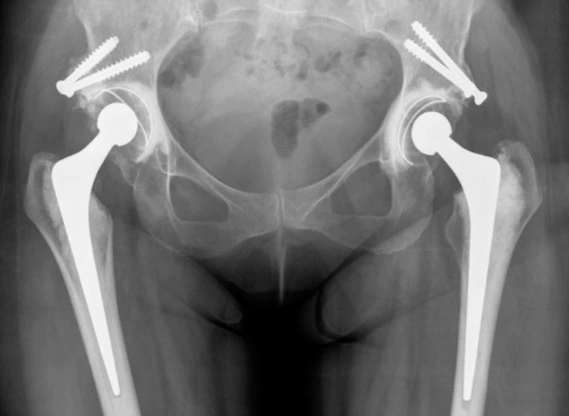
Complex Hip Replacement

Complex Hip Replacement: Advanced Solutions for Challenging Hip Conditions

Complex hip replacement is a specialized surgical procedure designed for patients with hip joint issues that are more complicated than those typically addressed with primary hip replacement. These may include severe deformities, previous failed hip surgeries, hip fractures, or other complex conditions that require advanced techniques. Complex hip replacement surgery offers a solution to restore function, alleviate pain, and improve quality of life for patients who have more difficult or intricate cases.

What is Complex Hip Replacement?

Complex hip replacement involves replacing the damaged or diseased hip joint with an artificial prosthesis in cases where the hip joint has significant deformities, joint destruction, or complications from prior surgeries. The procedure is tailored to meet the unique needs of the patient, with an emphasis on addressing underlying conditions, repairing damaged tissues, and providing long-term stability.

Unlike primary hip replacement, which is performed on relatively healthy bones, complex hip replacement may involve addressing problems such as:

  1. Severe joint deformities: The hip joint may have been malformed due to congenital conditions or deforming diseases.
  2. Failed previous hip surgeries: In cases where a prior hip replacement or other surgeries have failed, complex hip replacement can help correct complications and improve function.
  3. Bone loss: Some patients may have experienced extensive bone loss due to infection, injury, or disease, requiring specialized surgical techniques to rebuild and stabilize the joint.
  4. Hip fractures: Complex fractures, especially in older patients, can complicate the process of hip replacement and may require advanced surgical techniques to properly align and stabilize the joint.

Benefits of Complex Hip Replacement

  1. Restoration of Mobility and Function: Complex hip replacement can restore mobility and significantly improve the quality of life for patients who may have limited function due to severe joint damage or previous surgeries.
  2. Pain Relief: By replacing the damaged joint with a prosthetic, complex hip replacement provides long-term relief from chronic pain caused by arthritis, fractures, or failed previous surgeries.
  3. Improved Joint Stability: The procedure provides a more stable and functional hip joint, allowing patients to return to normal activities with reduced pain and improved stability.
  4. Tailored Surgical Approach: Each complex case is carefully assessed, and a customized surgical plan is designed to address the specific challenges of the patient’s hip joint condition.

Our Approach to Complex Hip Replacement

  1. Thorough Pre-Surgery Assessment: A detailed evaluation is conducted to assess the hip joint’s condition and determine the best approach for surgery. This may include advanced imaging techniques such as CT scans, X-rays, or MRI to evaluate bone loss, deformities, or complications from previous surgeries.
  2. Personalized Surgical Plan: Based on the patient’s condition and medical history, a tailored surgical plan is developed. This may include using specialized prosthetic components, bone grafting, or advanced fixation techniques to address complex issues.
  3. Advanced Surgical Techniques: We utilize cutting-edge techniques and technologies to perform complex hip replacement surgery. This may include the use of custom implants, computer-assisted navigation, and minimally invasive techniques to reduce recovery times and improve outcomes.
  4. Post-Surgery Rehabilitation: A comprehensive rehabilitation program is designed to help patients regain strength, flexibility, and range of motion after surgery. Physical therapy plays an essential role in helping patients recover fully and return to an active lifestyle.

Who is a Candidate for Complex Hip Replacement?

Complex hip replacement is often recommended for patients who:

  1. Have experienced significant hip joint damage due to fractures, deformities, or previous failed surgeries.
  2. Have advanced bone loss that complicates traditional hip replacement procedures.
  3. Suffer from chronic pain and limited mobility despite conservative treatments or previous surgeries.
  4. Are in overall good health and committed to following the rehabilitation process to ensure a successful recovery.

Take the Next Step Toward a Pain-Free Hip

If you are struggling with severe hip pain, limited mobility, or complications from a previous hip surgery, complex hip replacement may be the solution to restore your quality of life. Contact us today to schedule a consultation and learn how this advanced surgical procedure can help you regain hip function, reduce pain, and improve your mobility.
