Comprehensive Care for Adult and Paediatric Fractures
Fractures, or broken bones, are common injuries that can affect people of all ages. Whether caused by trauma, sports injuries, falls, or underlying bone conditions, fractures require timely and appropriate treatment to ensure proper healing and prevent long-term complications. Our comprehensive fracture care services cater to both adults and children, offering specialized approaches to meet the unique needs of each age group.
Adult Fractures
In adults, fractures often occur due to high-impact events, such as car accidents, sports injuries, or falls. Bone density loss with age, particularly in older adults, can also increase susceptibility to fractures, even from low-impact falls. Common adult fractures include fractures of the hip, wrist, ankle, shoulder, and long bones like the femur and tibia.
Our adult fracture treatments include:
- Casting and Splinting: For stable fractures that can heal without surgery, casting or splinting provides immobilization to support the healing process.
- Closed Reduction and Manipulation: Non-surgical repositioning of bones to restore alignment, followed by casting.
- Surgical Fixation: For complex fractures, we use advanced surgical techniques, such as internal fixation with plates, screws, and rods, to stabilize and align broken bones.
- Rehabilitation: Post-treatment physical therapy is essential to regain strength, mobility, and function after the bone has healed.
Paediatric Fractures
Children’s bones are more flexible and resilient than adult bones, making fracture patterns in children different from those in adults. Paediatric fractures often occur from playground injuries, falls, or sports activities and are typically treated with special considerations to ensure proper growth and development.
Specialized paediatric fracture care includes:
- Growth Plate Fractures: Children have growth plates at the ends of their bones, which can be injured in fractures. Special care is needed to prevent complications affecting future bone growth.
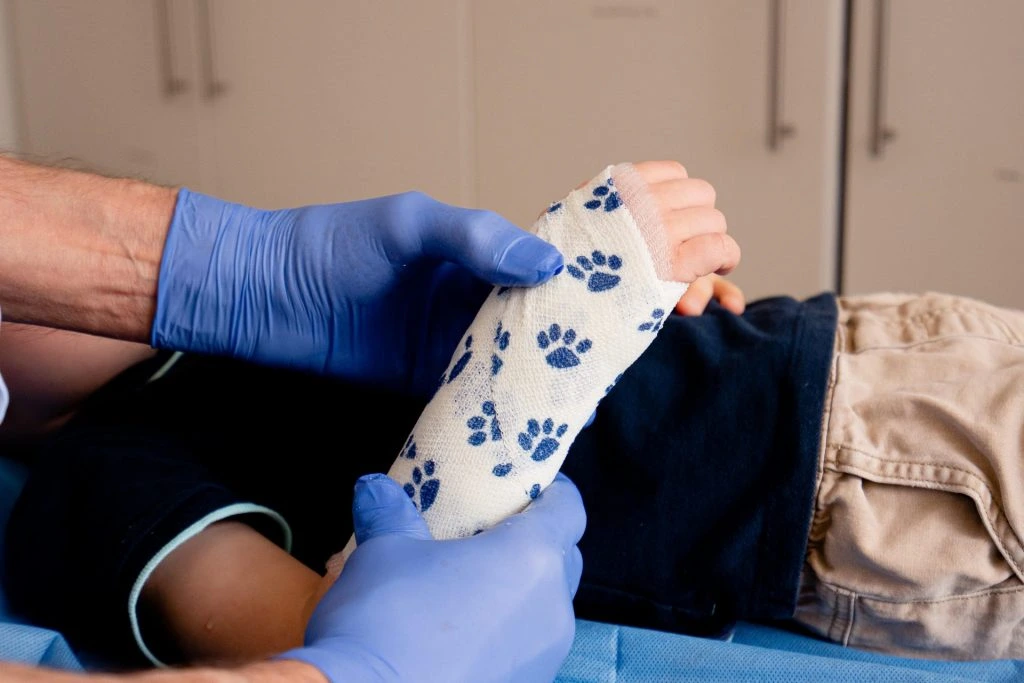
- Casting and Splinting: Paediatric fractures are often treated with casting, which provides safe and effective immobilization for young patients.
- Reduction Techniques: Non-surgical alignment of bones is used whenever possible, with techniques specifically adapted for children’s bones.
- Minimally Invasive Surgery: When surgery is necessary, minimally invasive techniques are used to protect growing bones and promote faster recovery.
Benefits of Specialized Fracture Care for Adults and Children
- Timely Healing: Prompt and effective treatment ensures fractures heal correctly, restoring mobility and strength.
- Prevention of Complications: Specialized care minimizes the risk of improper healing, which could lead to chronic pain or functional limitations.
- Age-Specific Approach: We tailor our approach based on the patient’s age, considering bone density, growth factors, and lifestyle needs.
Fracture Recovery and Rehabilitation
Recovery after a fracture depends on factors such as the location and severity of the fracture, the patient’s age, and overall health. Rehabilitation typically involves:
- Immobilization Period: Most fractures require a period of immobilization through casting or bracing to ensure the bone heals properly.
- Physical Therapy: After the bone has healed, physical therapy helps restore flexibility, strength, and range of motion.
- Follow-Up Care: Regular follow-ups are essential to monitor the healing process and prevent any complications, especially in paediatric cases where growth plates are involved.
Trust Our Expertise in Fracture Care
Whether you’re dealing with a complex fracture as an adult or seeking specialized care for a child’s fracture, our team is committed to providing expert and compassionate care. Contact us today to learn more about how we can help you or your child recover fully from a fracture.