
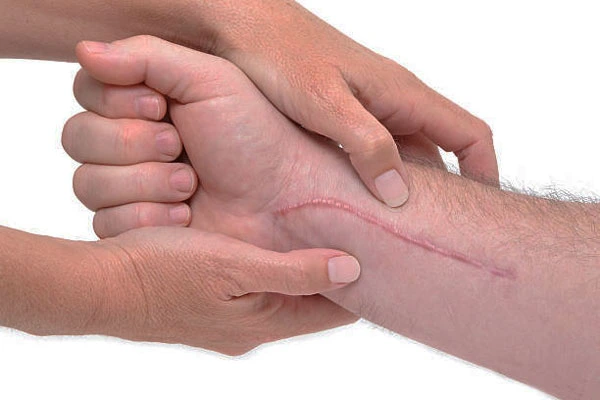
Tendons are essential structures that connect muscles to bones, enabling movement and providing stability to joints. Injuries to tendons—whether from trauma, overuse, or degenerative conditions—can lead to pain, weakness, and loss of function in the affected area. Tendon repair and reconstruction surgeries are performed to restore the integrity of damaged tendons, helping patients regain mobility, strength, and normal function.
Tendon repair is a surgical procedure that involves reconnecting torn or ruptured tendons to the bone or surrounding structures. This procedure is commonly performed on areas such as the shoulder, elbow, knee, ankle, and wrist, where tendon injuries can severely impact movement and quality of life. In this surgery, the damaged tendon is carefully reattached to its original position, allowing it to heal and restore normal function.
Tendon reconstruction is required when a tendon is too damaged or deteriorated to be repaired. In these cases, a new tendon is created by using a graft, often taken from another part of the patient’s body or from a donor. The graft is attached to the damaged area to replace or reinforce the weakened tendon, restoring strength and stability. Tendon reconstruction is often used in complex cases, such as chronic injuries or after failed prior surgeries.
Tendon repair and reconstruction can address various conditions, including:
Patients experiencing loss of function, chronic pain, or weakness due to a torn or ruptured tendon are likely candidates for tendon repair or reconstruction. Surgery is usually recommended when conservative treatments like rest, physical therapy, or medications have not provided relief or when the tendon injury is severe.
Recovery from tendon repair or reconstruction involves:
If you are dealing with a tendon injury that affects your mobility or quality of life, tendon repair or reconstruction may be the right solution. Contact us today to learn more about how these procedures can help restore your strength and get you back to doing what you love.

Expert in trauma care, sports medicine, joint replacement, and deformity correction, delivering advanced orthopedic solutions with precision and care.
Copyright @ 2024. All rights reserved. Designed by AppAdd India Pvt Ltd…