
Triple Arthrodesis: Restoring Foot Stability and Function
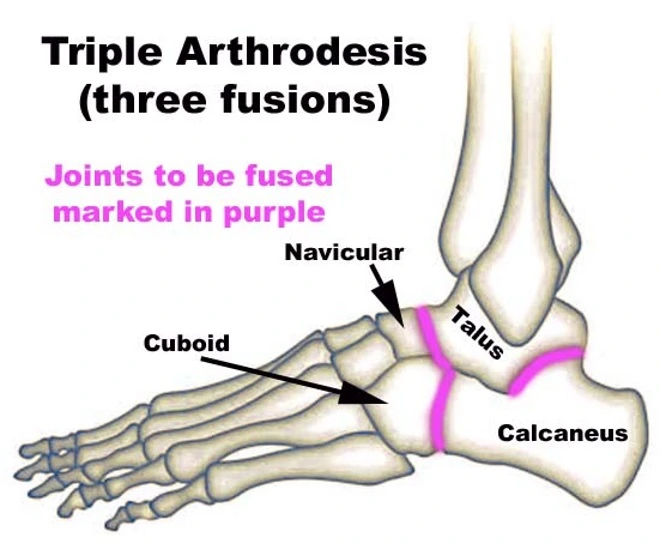
Triple arthrodesis is a surgical procedure designed to treat severe foot conditions that result in pain, deformity, and instability. This procedure involves the fusion of three joints in the foot: the subtalar joint, talonavicular joint, and calcaneocuboid joint. Triple arthrodesis is typically performed to treat conditions such as arthritis, flatfoot deformity, or post-traumatic joint degeneration when other treatment options have failed to provide relief.
Triple arthrodesis is a foot surgery that fuses three key joints in the foot to provide relief from pain, improve alignment, and restore stability. The procedure is often recommended for patients with severe arthritis, deformities, or joint instability that affect these joints. By fusing the joints together, the surgery reduces pain and prevents further damage while improving foot function and stability.
Triple arthrodesis is generally recommended for patients who suffer from the following conditions:
Severe Arthritis: Arthritis in the joints of the foot, particularly the subtalar, talonavicular, and calcaneocuboid joints, can cause significant pain and stiffness. Triple arthrodesis is often used when arthritis is severe and other treatments have not been effective.
Flatfoot Deformity: A collapsed or fallen arch, which can cause abnormal stress on the foot and lead to pain and deformity. Triple arthrodesis helps restore the normal alignment of the foot.
Post-Traumatic Arthritis: Joint degeneration resulting from fractures or previous injuries to the foot. After trauma, the joints may lose their normal function, causing pain and instability.
Charcot Foot Disease: A progressive condition that weakens the bones of the foot, often leading to deformities and instability. Triple arthrodesis can help stabilize the foot and prevent further damage.
Neuropathic Arthropathy: Foot deformities resulting from nerve damage or conditions like diabetes, which can alter the structure and function of the foot.
Other Severe Deformities: Conditions such as congenital deformities, misalignments, or failed prior surgeries can also be treated with triple arthrodesis to restore proper alignment and function.
The goal of triple arthrodesis is to fuse the three joints in the foot to eliminate pain and provide long-term stability. The procedure typically involves the following steps:
Pre-Surgical Evaluation:
Surgical Procedure:
Post-Surgical Care:
Recovery from triple arthrodesis can be a lengthy process, as the joints take time to heal and fuse properly. The recovery timeline varies depending on individual factors, but generally, it follows these stages:
Initial Recovery:
Physical Therapy:
Long-Term Care:
As with any surgery, there are risks associated with triple arthrodesis, including:
Your orthopedic surgeon will discuss these risks with you and provide instructions on how to minimize them during recovery.
You may be a candidate for triple arthrodesis if:
An orthopedic surgeon will evaluate your condition and recommend the best course of action based on your symptoms, medical history, and the severity of the condition.
Triple arthrodesis is an effective solution for patients who suffer from severe foot arthritis, deformities, or joint instability. The procedure provides long-term pain relief, improves foot stability, and prevents further damage to the joints, helping patients regain a more functional and active lifestyle.
If you are struggling with chronic foot pain or deformity due to arthritis or other conditions, triple arthrodesis surgery may provide the relief and stability you need. Contact us today to schedule a consultation with an orthopedic surgeon to discuss your treatment options and learn how this surgery can help restore your foot function.

Expert in trauma care, sports medicine, joint replacement, and deformity correction, delivering advanced orthopedic solutions with precision and care.
Copyright @ 2024. All rights reserved. Designed by AppAdd India Pvt Ltd…