
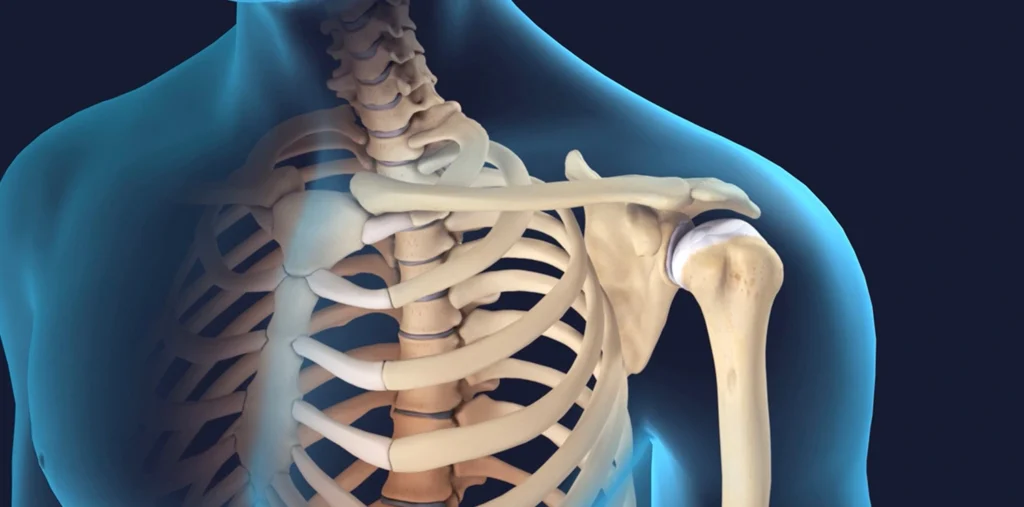
Shoulder Arthroplasty Surgery: Restoring Strength and Mobility to Your Shoulder Joint
Shoulder arthroplasty, also known as shoulder replacement surgery, is an effective procedure designed to relieve pain and improve the function of a severely damaged or arthritic shoulder joint. Whether you are suffering from chronic shoulder pain due to arthritis, fractures, or degenerative conditions, shoulder arthroplasty can help restore your ability to move freely and perform daily activities without discomfort.
Shoulder arthroplasty involves the removal of damaged parts of the shoulder joint and replacing them with prosthetic components. The goal of the surgery is to alleviate pain, improve the range of motion, and restore shoulder function. There are several types of shoulder replacement surgeries, including:
Total Shoulder Arthroplasty (TSA): In this procedure, both the ball (humeral head) and the socket (glenoid) of the shoulder joint are replaced with artificial components.
Reverse Shoulder Arthroplasty (RSA): This procedure is typically recommended for patients with rotator cuff arthritis or severe shoulder joint damage. It involves reversing the normal anatomy of the shoulder, placing the ball on the shoulder blade and the socket on the arm bone to restore function.
Partial Shoulder Arthroplasty: This option involves replacing only the ball of the shoulder joint while preserving the natural socket. This type of surgery is typically used for patients with limited damage to the joint, such as those with fractures or isolated damage to the humeral head.
Pain Relief: Shoulder arthroplasty is highly effective in reducing or eliminating pain caused by arthritis, fractures, or degenerative conditions, allowing patients to return to their normal activities.
Improved Mobility: After shoulder replacement surgery, most patients experience improved range of motion and strength in the shoulder, enabling them to perform daily tasks like lifting, reaching, and carrying with less discomfort.
Enhanced Quality of Life: Shoulder arthroplasty can significantly improve the quality of life for patients by restoring the ability to perform activities that were once limited by pain and stiffness, such as sports, exercise, and simple tasks like dressing or cooking.
Long-Term Durability: Modern shoulder replacements are designed to last 15–20 years or more, depending on factors like patient activity level, age, and overall health. This allows for long-term pain relief and shoulder function.
Shoulder arthroplasty is often recommended for patients with the following conditions:
Osteoarthritis: The most common cause of chronic shoulder pain, where the cartilage in the joint deteriorates, leading to pain, stiffness, and limited mobility.
Rheumatoid Arthritis: An autoimmune condition that leads to inflammation and damage of the shoulder joint, causing pain, swelling, and deformity.
Rotator Cuff Tear Arthropathy: This condition occurs when a tear in the rotator cuff causes arthritis in the shoulder joint. It is often treated with reverse shoulder arthroplasty to restore function.
Shoulder Fractures: Severe fractures of the shoulder, especially in older adults, may not heal properly with conservative treatments. Shoulder replacement may be necessary to restore function.
Avascular Necrosis (AVN): A condition in which the blood supply to the humeral head is disrupted, causing bone death and leading to arthritis or joint collapse.
Post-Traumatic Arthritis: Arthritis that develops after a shoulder injury, leading to pain and limited mobility.
Total Shoulder Arthroplasty (TSA): This is the most common type of shoulder replacement surgery, in which both the humeral head and glenoid (shoulder socket) are replaced with prosthetic components. It is usually performed on patients with shoulder arthritis or joint degeneration.
Reverse Shoulder Arthroplasty (RSA): This procedure is used for patients with severe arthritis and a damaged rotator cuff. In reverse shoulder arthroplasty, the normal anatomy of the shoulder joint is reversed, with the ball placed on the shoulder blade and the socket on the arm bone. This surgery is highly effective in restoring shoulder function in cases of rotator cuff dysfunction.
Partial Shoulder Arthroplasty: This surgery is typically recommended for patients with isolated damage to the humeral head, such as in cases of fractures. The damaged humeral head is replaced with a prosthetic ball while the natural socket is preserved.
Shoulder arthroplasty surgery is typically recommended for individuals who:
A thorough evaluation by an orthopedic surgeon, including medical history review, physical examination, and imaging (X-rays, MRI), will help determine if shoulder arthroplasty is the best option for you.
Pre-Operative Assessment: Before surgery, your orthopedic surgeon will conduct a detailed evaluation, including diagnostic imaging, to assess the extent of damage to the shoulder joint and determine the appropriate type of shoulder replacement surgery.
Anesthesia: Shoulder arthroplasty is typically performed under general anesthesia or regional anesthesia (e.g., nerve block), ensuring you remain pain-free during the procedure.
Surgical Procedure: The surgeon will make an incision to access the shoulder joint. The damaged portions of the shoulder, including the humeral head and glenoid, will be removed and replaced with prosthetic components. In the case of reverse shoulder arthroplasty, the normal anatomy of the shoulder is reversed to help restore function.
Post-Surgical Care: After surgery, you will be monitored closely for pain management and recovery. The surgeon may prescribe medications for pain relief and inflammation control. The length of your hospital stay will depend on your recovery progress, with many patients staying for 1–2 days.
Initial Recovery: Following shoulder replacement surgery, patients usually need to wear a sling for a few weeks to protect the shoulder. Pain management and the initiation of physical therapy are crucial during the first stages of recovery.
Physical Therapy: A rehabilitation program will begin soon after surgery to restore strength, mobility, and flexibility in the shoulder. Early physical therapy focuses on gentle range-of-motion exercises to prevent stiffness and improve circulation. Full rehabilitation may take several months, but most patients can return to light activities within 6–8 weeks.
Long-Term Care: Regular follow-up visits with your orthopedic surgeon will be necessary to monitor the progress of your recovery and ensure that the implant is functioning properly. Adopting a healthy lifestyle, avoiding overuse of the shoulder, and performing strengthening exercises can help prolong the life of the shoulder implant.
Shoulder arthroplasty is a proven solution for individuals suffering from chronic shoulder pain, arthritis, or severe shoulder joint damage. With advances in surgical techniques and implant materials, modern shoulder replacements offer excellent long-term outcomes, helping patients regain their quality of life and return to their normal activities.
If you are experiencing shoulder pain that limits your mobility or prevents you from enjoying life, shoulder arthroplasty surgery may be the solution. Contact us today to schedule a consultation with an orthopedic surgeon to discuss your treatment options and learn how shoulder replacement surgery can improve your function and quality of life.

Expert in trauma care, sports medicine, joint replacement, and deformity correction, delivering advanced orthopedic solutions with precision and care.
Copyright @ 2024. All rights reserved. Designed by AppAdd India Pvt Ltd…