
Shoulder Arthroscopic Surgery: A Minimally Invasive Solution for Shoulder Pain and Injury
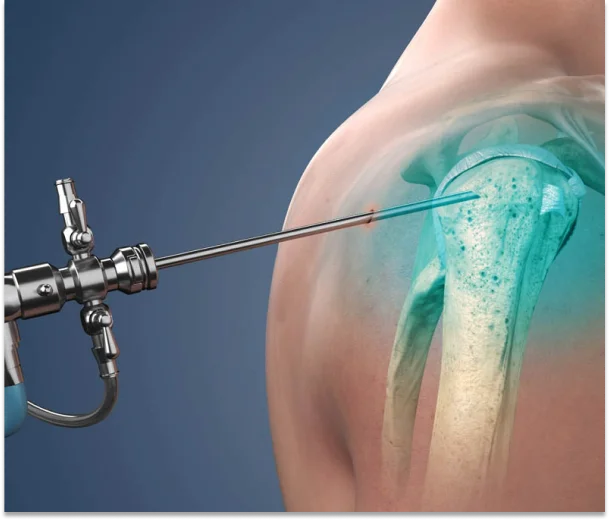
Shoulder arthroscopic surgery is a minimally invasive procedure used to diagnose, treat, and repair a variety of shoulder conditions. Using small incisions and a tiny camera (arthroscope), surgeons can view the inside of the shoulder joint and perform precise repairs with minimal disruption to surrounding tissues. This technique allows for quicker recovery, less pain, and improved outcomes compared to traditional open surgery, making it an ideal option for patients suffering from shoulder pain or injury.
Shoulder arthroscopy involves inserting a small camera (arthroscope) into the shoulder joint through a tiny incision. The camera provides the surgeon with a detailed view of the inside of the joint, allowing them to accurately diagnose the problem and guide surgical treatment. Additional small incisions are made to insert specialized instruments to perform repairs, such as removing damaged tissue, repairing torn rotator cuffs, or smoothing rough surfaces on the bones and cartilage.
This procedure is commonly used for the treatment of:
Rotator Cuff Tears: Arthroscopy is commonly used to repair torn rotator cuff tendons. These tendons play a crucial role in shoulder movement, and tears can cause pain and limited mobility. Arthroscopic repair offers a precise and effective solution.
Shoulder Labrum Tears: The labrum is a ring of cartilage that helps stabilize the shoulder joint. Tears to the labrum can cause pain and instability. Arthroscopic surgery allows for repair or reattachment of the labrum, helping restore shoulder function.
Frozen Shoulder (Adhesive Capsulitis): For patients with frozen shoulder, where the shoulder joint becomes stiff and painful, arthroscopy can be used to release tight tissues and restore range of motion.
Shoulder Impingement Syndrome: This occurs when the tendons of the rotator cuff become pinched between the bones in the shoulder. Arthroscopic surgery can remove the tissue causing the impingement and provide relief from pain and limited mobility.
Shoulder Instability and Dislocations: For individuals with shoulder instability, arthroscopy is used to repair damaged ligaments or soft tissues that contribute to frequent dislocations or subluxations.
Arthritis of the Shoulder Joint: In cases of shoulder arthritis, arthroscopy can be used to smooth damaged cartilage, remove bone spurs, or clean the joint, helping reduce pain and improve shoulder function.
Biceps Tendon Injuries: Injuries to the biceps tendon can be addressed through arthroscopic surgery by repairing or reattaching the tendon to its proper location.
Shoulder arthroscopic surgery is typically recommended for individuals who:
A thorough evaluation, including physical examination and imaging studies (X-rays, MRI), will help determine if shoulder arthroscopy is the best treatment option for you.
Comprehensive Evaluation: A detailed examination of your shoulder will be conducted, including a review of your medical history and diagnostic imaging (X-rays, MRI) to assess the cause and severity of your condition.
Customized Treatment Plan: Based on your specific condition, a personalized surgical plan will be developed to address the issue with the most effective arthroscopic techniques.
Advanced Surgical Techniques: Our skilled surgeons utilize the latest arthroscopic equipment and minimally invasive techniques to ensure optimal results and reduce recovery time. These methods allow for precise repairs and minimal tissue disruption.
Post-Surgery Rehabilitation: After surgery, you will be guided through a rehabilitation program designed to restore strength, mobility, and function to your shoulder. Physical therapy will help you regain range of motion, reduce pain, and progressively return to your normal activities.
Recovery time after shoulder arthroscopic surgery varies depending on the type of procedure performed and the individual’s overall health. Most patients can return to light activities within a few weeks, but full recovery and return to sports or high-demand activities may take several months. A customized rehabilitation program will focus on restoring flexibility, strength, and stability to the shoulder, with gradual progress toward returning to everyday tasks and physical activities.
If you are dealing with shoulder pain, instability, or loss of function, shoulder arthroscopic surgery could be the solution to restore mobility, relieve pain, and improve your quality of life. Contact us today to schedule a consultation and find out how this minimally invasive procedure can help you get back to doing what you love.

Expert in trauma care, sports medicine, joint replacement, and deformity correction, delivering advanced orthopedic solutions with precision and care.
Copyright @ 2024. All rights reserved. Designed by AppAdd India Pvt Ltd…