Shoulder Hemiarthroplasty Replacement: Restoring Function After Shoulder Injury or Arthritis
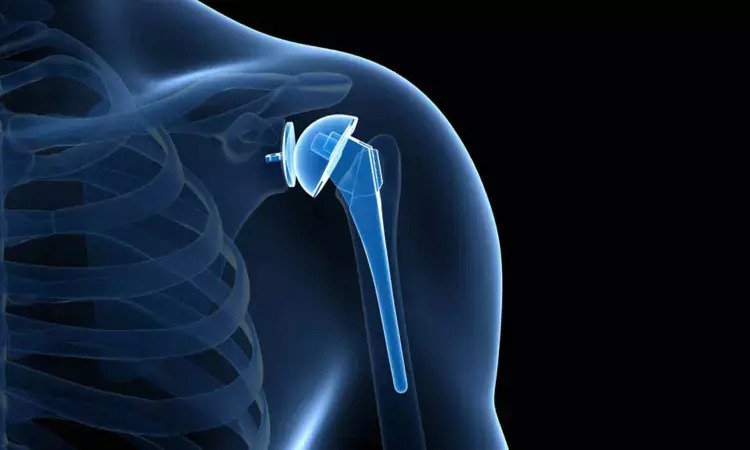
Shoulder hemiarthroplasty replacement is a surgical procedure in which only one part of the shoulder joint is replaced, typically the humeral head (the ball of the shoulder joint). This procedure is most commonly performed in patients with severe shoulder arthritis, fractures, or rotator cuff arthropathy, where only the ball portion of the shoulder joint is damaged. By replacing the humeral head with a prosthetic component, hemiarthroplasty can significantly relieve pain, restore function, and improve the quality of life.
What is Shoulder Hemiarthroplasty Replacement?
Shoulder hemiarthroplasty, also known as partial shoulder replacement, involves replacing the humeral head with a prosthetic device, while the glenoid (socket) remains intact. This procedure is designed for patients who have a damaged or degenerated humeral head but a healthy glenoid, or socket.
The surgery is typically performed for the following reasons:
- Severe Shoulder Arthritis: When arthritis has caused significant damage to the humeral head, but the glenoid is still intact and functioning well.
- Shoulder Fractures: In cases where a shoulder fracture has caused irreparable damage to the humeral head.
- Rotator Cuff Arthropathy: In patients who have significant rotator cuff damage combined with arthritis, where a total shoulder replacement is not suitable.
Hemiarthroplasty can provide significant pain relief, restore range of motion, and improve the functional use of the shoulder joint, especially for patients with isolated damage to the humeral head.
Benefits of Shoulder Hemiarthroplasty Replacement
- Pain Relief: Hemiarthroplasty effectively reduces or eliminates the pain caused by shoulder arthritis, fractures, or other degenerative conditions, allowing for a more active lifestyle.
- Restoration of Function: The procedure restores the ability to perform everyday activities such as lifting, reaching, and moving the arm without the debilitating pain that was present before surgery.
- Improved Range of Motion: By replacing the damaged humeral head with a prosthesis, the range of motion of the shoulder joint can be improved, enabling patients to move their shoulder with greater ease.
- Faster Recovery: Shoulder hemiarthroplasty typically involves a shorter recovery time compared to total shoulder replacement, as the glenoid (socket) is not replaced.
- Preservation of the Glenoid: By leaving the glenoid intact, the procedure preserves the natural socket, which may offer a more natural feel and function for patients who do not require total joint replacement.
Our Approach to Shoulder Hemiarthroplasty Replacement
- Comprehensive Evaluation: A thorough assessment, including medical history, physical examination, and imaging studies (X-rays and MRI), is performed to evaluate the condition of your shoulder and determine if hemiarthroplasty is the best option for you.
- Customized Surgical Plan: Based on your condition, age, activity level, and overall health, a personalized surgical plan is developed. The appropriate prosthetic component is chosen to best suit your needs and the structure of your shoulder joint.
- Advanced Surgical Techniques: The procedure is performed using state-of-the-art techniques to minimize tissue damage, reduce recovery time, and ensure the best possible outcome. The surgery may be done through minimally invasive methods depending on the complexity and the condition of the joint.
- Post-Surgery Rehabilitation: A structured rehabilitation program is essential for a full recovery. Physical therapy will help you regain strength, flexibility, and range of motion in the shoulder, enabling you to return to your normal activities safely and efficiently.
Who is a Candidate for Shoulder Hemiarthroplasty Replacement?
Shoulder hemiarthroplasty is typically recommended for patients who:
- Have severe arthritis or significant damage to the humeral head but a healthy glenoid (socket).
- Have experienced a traumatic shoulder fracture that has caused irreparable damage to the humeral head.
- Suffer from rotator cuff arthropathy where the rotator cuff is damaged but the glenoid remains in good condition.
- Are not suitable candidates for a total shoulder replacement due to issues with the glenoid or other underlying conditions.
Patients with advanced arthritis or severe damage to both the humeral head and glenoid may require a total shoulder replacement instead.
Take the First Step Toward Shoulder Relief
If you are suffering from shoulder pain due to arthritis, a fracture, or other degenerative conditions, shoulder hemiarthroplasty replacement may be the solution. Contact us today to schedule a consultation and learn how this procedure can help restore function, alleviate pain, and improve your quality of life.