
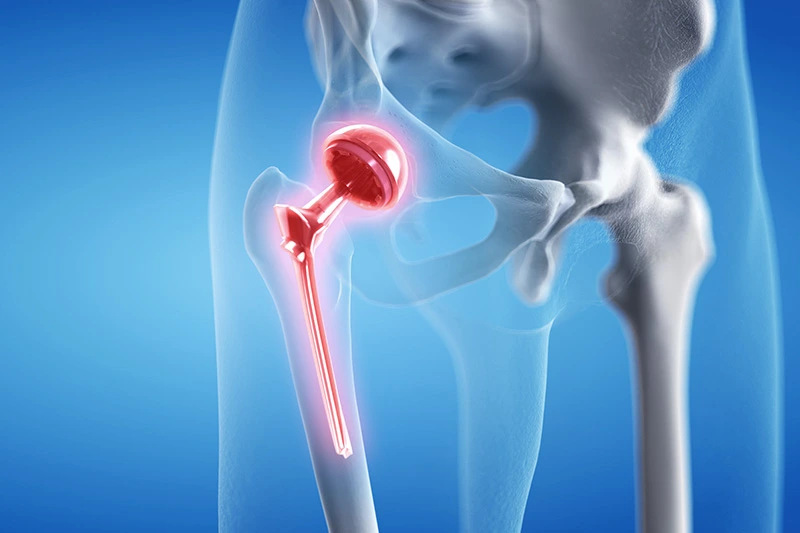
Revision Hip Replacement

Revision Hip Replacement: Restoring Function After a Failed Hip Replacement

Revision hip replacement is a specialized procedure designed to address issues that arise when a previous hip replacement fails or when the hip joint becomes problematic years after the initial surgery. Over time, a hip prosthesis may wear out, become loose, or experience complications, requiring surgical intervention. Revision hip replacement offers a solution to restore joint stability, alleviate pain, and improve mobility.

What is Revision Hip Replacement?

Revision hip replacement is a procedure performed to replace or repair a previously implanted hip prosthesis that is no longer functioning properly. This surgery is typically more complex than the original hip replacement, as it involves working around the existing implant, dealing with potential bone loss, and addressing any complications from the first surgery.

The need for revision hip replacement may arise due to a variety of factors, including:

  1. Wear and Tear: Over time, the components of a hip prosthesis can wear out, causing the implant to loosen, causing pain and instability.
  2. Infection: Infection can occur after a hip replacement surgery, leading to the need for revision surgery to remove the infected components and replace them with new ones.
  3. Implant Failure: In some cases, the implant may fail due to issues like fracture, dislocation, or poor fitting, requiring a revision.
  4. Bone Loss: Patients with significant bone loss around the hip joint may require special techniques or grafting during revision surgery to rebuild the joint structure.
  5. Instability or Pain: If a patient continues to experience hip instability or persistent pain after a primary hip replacement, revision surgery may be needed to address these issues.

Benefits of Revision Hip Replacement

  1. Pain Relief: Revision hip replacement can help relieve chronic pain caused by a failed implant or hip joint degeneration, improving the patient’s quality of life.
  2. Restoration of Function: The procedure can restore mobility and function, allowing patients to perform everyday activities such as walking, climbing stairs, and exercising.
  3. Improved Joint Stability: By replacing the failed implant with a new prosthesis, revision hip replacement provides greater joint stability and reduces the risk of further complications.
  4. Long-Term Solution: Revision surgery aims to provide a durable, long-lasting solution to hip problems, extending the life of the joint and improving overall joint health.

Our Approach to Revision Hip Replacement

  1. Comprehensive Assessment: The first step in revision hip replacement is a thorough evaluation of the patient’s current hip joint and implant. This may include advanced imaging techniques (X-rays, CT scans, MRIs) to assess the condition of the implant and surrounding bone, as well as identifying any potential issues like infection or instability.
  2. Tailored Surgical Plan: Each revision hip replacement is customized based on the patient’s unique condition, taking into account factors such as bone quality, previous surgeries, and overall health. The surgical plan may involve using specialized implants, bone grafts, or additional stabilization techniques to ensure a successful outcome.
  3. Advanced Surgical Techniques: Revision hip replacement often requires more advanced surgical techniques than primary hip replacement. This may include the use of custom implants, computer-assisted navigation, or minimally invasive methods to minimize recovery time and reduce risks.
  4. Post-Surgery Rehabilitation: After revision surgery, rehabilitation is critical to ensure proper healing and recovery. Physical therapy is used to help patients regain strength, flexibility, and mobility, enabling them to return to normal activities.

Who is a Candidate for Revision Hip Replacement?

Revision hip replacement may be recommended for patients who:

  1. Have experienced complications or failure of a previous hip replacement.
  2. Suffer from persistent pain, instability, or dysfunction after their initial hip surgery.
  3. Have significant bone loss or other challenges that complicate the hip joint’s function.
  4. Are in overall good health and committed to following a rehabilitation program for a successful recovery.

Take the Next Step Toward a Pain-Free Hip

If you are experiencing pain, instability, or other complications from a previous hip replacement, revision hip replacement surgery may be the solution to restore function and improve your quality of life. Contact us today to schedule a consultation and learn how revision surgery can help you regain hip stability, reduce pain, and improve mobility.
