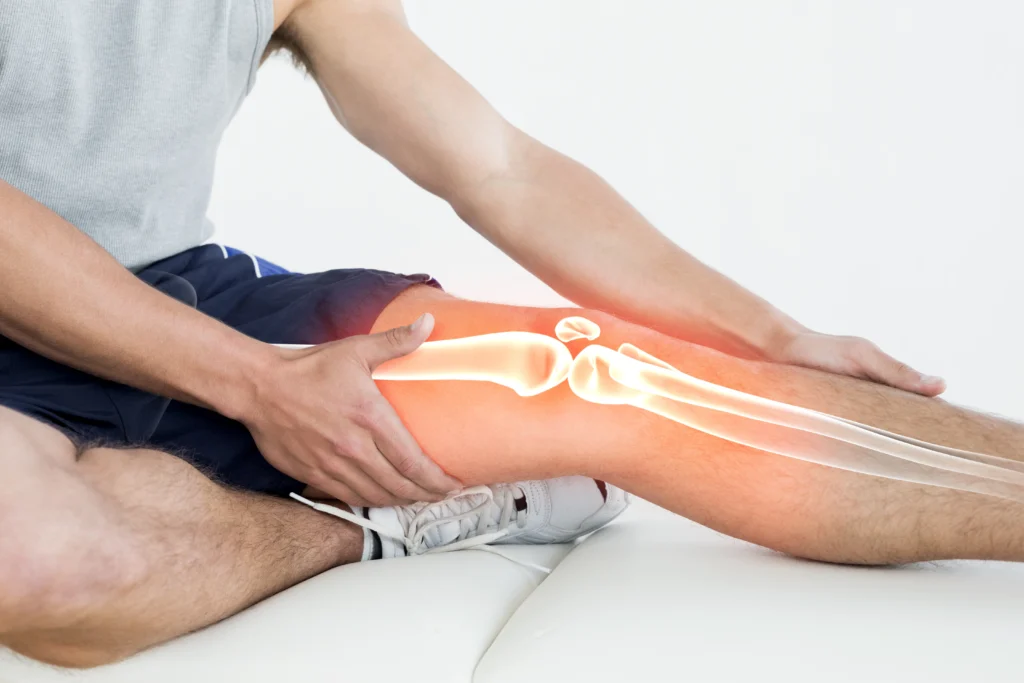
Surgery for Recurrent Dislocation of Patella: Restoring Stability and Preventing Future Dislocations
Recurrent patellar dislocations occur when the kneecap (patella) repeatedly slips out of its normal position, often causing pain, instability, and difficulty with mobility. This condition is particularly common in active individuals, athletes, and those with anatomical abnormalities that predispose them to patellar instability. When conservative treatments such as physical therapy fail to provide relief, surgery may be recommended to restore the stability of the knee and prevent future dislocations.
What is Surgery for Recurrent Dislocation of Patella?
Surgery for recurrent patellar dislocation aims to stabilize the patella and prevent it from slipping out of its groove (trochlea). Several surgical techniques may be employed depending on the underlying cause of the dislocations. The surgery may involve realigning the patella, repairing or tightening the ligaments and tendons, or addressing any anatomical issues contributing to the instability.
The most common surgical options for recurrent patellar dislocation include:
- Medial Patellofemoral Ligament (MPFL) Reconstruction: The MPFL is the primary stabilizer of the patella. In cases where the MPFL is damaged or stretched, it can be reconstructed using a graft to restore its function and prevent future dislocations.
- Patellar Realignment: In certain cases, the patella may be misaligned. Surgical realignment may involve repositioning the patella to ensure it tracks properly within the femoral groove.
- Tibial Tubercle Transfer: This procedure involves moving the attachment point of the patellar tendon to improve the alignment of the patella and reduce the risk of dislocation.
- Lateral Release: If the lateral (outer) structures of the knee are tight and contributing to the dislocation, a lateral release can be performed to release or lengthen these structures.
Benefits of Surgery for Recurrent Patellar Dislocation
- Restoration of Knee Stability: Surgery aims to stabilize the patella and reduce the risk of future dislocations, allowing for improved knee function.
- Pain Relief: By addressing the underlying cause of the dislocations, surgery helps reduce pain and discomfort caused by the recurrent shifting of the patella.
- Improved Mobility: With the patella stabilized, patients can regain their ability to perform daily activities and return to sports and physical activities without the fear of dislocations.
- Prevention of Joint Damage: Recurrent patellar dislocations can lead to long-term damage to the cartilage in the knee joint, contributing to arthritis. Surgery helps prevent further joint damage.
Our Approach to Surgery for Recurrent Patellar Dislocation
- Comprehensive Assessment: A detailed evaluation, including physical examination and imaging studies (X-rays, MRI), is conducted to identify the underlying cause of the recurrent dislocations and determine the most appropriate surgical approach.
- Customized Surgical Plan: Based on the evaluation, we develop a personalized surgical plan tailored to the patient’s specific condition and needs.
- Minimally Invasive Techniques: Where possible, we utilize arthroscopic techniques for minimally invasive surgery, which involves smaller incisions, faster recovery, and less postoperative pain.
- Post-Surgery Rehabilitation: After surgery, a structured rehabilitation program is essential to restore strength, range of motion, and stability to the knee. This includes physical therapy to guide the recovery process and help prevent recurrence.
Who is a Candidate for Surgery for Recurrent Patellar Dislocation?
Surgery for recurrent patellar dislocation may be appropriate for individuals who:
- Experience frequent dislocations of the patella, even with conservative treatments like physical therapy or bracing.
- Have significant knee instability, pain, or difficulty performing daily activities or sports due to dislocations.
- Have anatomical abnormalities that contribute to patellar instability (such as misalignment of the patella or femoral groove).
- Are unable to return to their desired level of physical activity due to recurrent dislocations.
Take the First Step Toward Patellar Stability
If you are suffering from recurrent patellar dislocations and the instability is affecting your daily life or athletic pursuits, surgery may provide the long-term solution you’re looking for. Contact us today to schedule a consultation and learn how surgery for recurrent patellar dislocation can restore knee stability, reduce pain, and improve your mobility.