
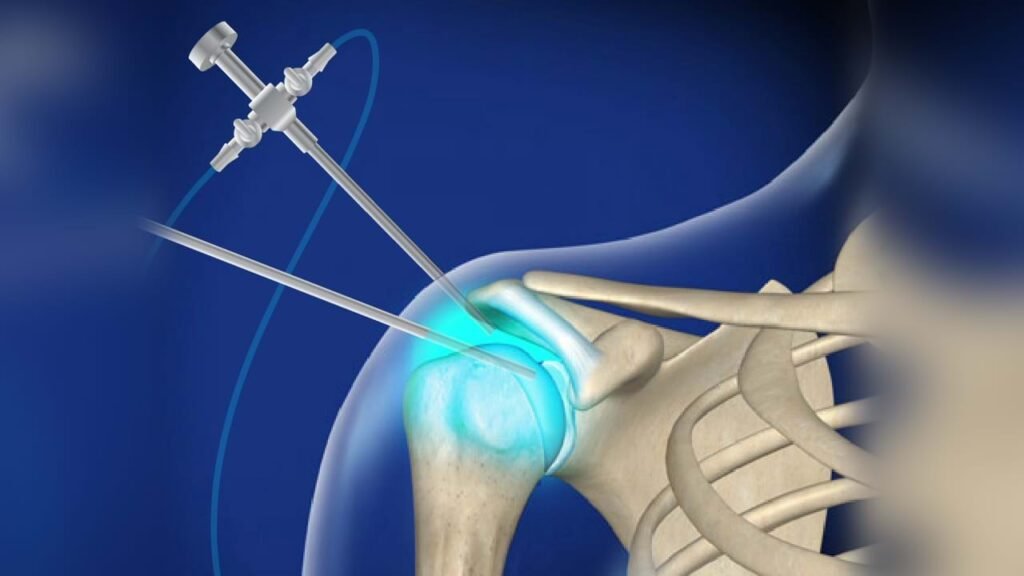
Shoulder Arthroscopic Surgery: A Minimally Invasive Solution for Shoulder Pain and Dysfunction
Shoulder arthroscopic surgery is a minimally invasive procedure used to diagnose, treat, and repair various shoulder joint conditions. Using small incisions and an arthroscope (a tiny camera), surgeons can visualize the inside of the shoulder joint and perform precise repairs with minimal disruption to surrounding tissues. This advanced technique leads to faster recovery, less postoperative pain, and a quicker return to daily activities compared to traditional open surgery.
Shoulder arthroscopy involves inserting a small camera (arthroscope) into the shoulder joint through a tiny incision. The arthroscope allows the surgeon to view the joint on a monitor, helping to diagnose conditions and guide surgical interventions. Small surgical instruments may also be inserted through additional incisions to treat the condition, such as repairing torn ligaments, tendons, or cartilage.
This procedure is commonly used for the treatment of:
Rotator Cuff Tears: Shoulder arthroscopy is commonly used to repair or remove damaged portions of the rotator cuff (the tendons and muscles that stabilize the shoulder), improving strength and range of motion.
Shoulder Instability (Labral Tears): Arthroscopy can repair labral tears (cartilage that supports the shoulder joint), reducing pain and restoring shoulder stability.
Shoulder Impingement Syndrome: Arthroscopy is used to remove any bone spurs or inflamed tissue that may be causing impingement or pinching of the rotator cuff tendons.
Arthritis of the Shoulder Joint: For patients with shoulder arthritis, arthroscopic surgery can be used to clean the joint, remove damaged tissue, and reduce pain, sometimes delaying the need for shoulder replacement surgery.
Biceps Tendon Injuries: Arthroscopy can help repair damaged biceps tendons or perform a biceps tendon release for improved function.
Shoulder Fractures: In cases of small fractures, arthroscopic surgery can be used to repair and stabilize the bones.
Frozen Shoulder (Adhesive Capsulitis): Arthroscopy can release tight shoulder capsules, reducing stiffness and restoring motion.
Rotator Cuff Tears: Arthroscopic surgery can repair torn rotator cuff tendons, improving shoulder strength and reducing the risk of long-term disability.
Labral Tears and Shoulder Instability: Arthroscopy can treat labral tears and stabilize the shoulder joint, reducing the risk of dislocation and improving shoulder function.
Arthritis Relief: Arthroscopic surgery can help smooth rough surfaces, remove debris, and improve joint motion, delaying or avoiding the need for joint replacement.
Faster Return to Activity: Patients who undergo shoulder arthroscopy for conditions like impingement or rotator cuff tears often experience quicker recovery times, allowing for a faster return to work or sports.
Shoulder arthroscopy is typically recommended for individuals who:
A thorough evaluation by your surgeon, including physical exams and imaging (e.g., X-rays, MRIs), will help determine whether shoulder arthroscopy is the best approach for your condition.
Comprehensive Evaluation: Before surgery, we conduct a thorough assessment of your shoulder condition, including physical exams, imaging studies, and a review of your medical history to ensure the most accurate diagnosis and treatment plan.
Personalized Surgical Plan: Based on your evaluation, we create a customized treatment plan tailored to your specific shoulder condition. Our surgeons use advanced arthroscopic techniques to achieve optimal results.
Advanced Surgical Techniques: We utilize the latest technology and arthroscopic tools, including high-definition cameras and minimally invasive instruments, to provide precise and effective treatment.
Post-Surgery Rehabilitation: After your surgery, we design a personalized rehabilitation program to restore strength, flexibility, and function to your shoulder. This may include physical therapy, strength-building exercises, and gradual reintroduction to normal activities.
Recovery from shoulder arthroscopic surgery is typically faster than traditional open surgery. Most patients can return to light activities within a few weeks, but full recovery—particularly for overhead or sports activities—may take several months. Physical therapy plays an essential role in restoring shoulder strength, flexibility, and range of motion. The rehabilitation process is customized based on the patient’s condition and type of surgery performed.
If you are suffering from shoulder pain, instability, or dysfunction, shoulder arthroscopic surgery may be the solution to help you regain joint function, alleviate pain, and improve your quality of life. Contact us today to schedule a consultation and discover how this minimally invasive procedure can benefit you.

Expert in trauma care, sports medicine, joint replacement, and deformity correction, delivering advanced orthopedic solutions with precision and care.
Copyright @ 2024. All rights reserved. Designed by AppAdd India Pvt Ltd…