
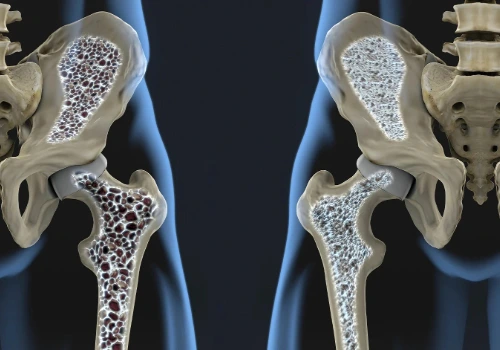
Osteoporosis is a condition that causes bones to become fragile and weak, making them more prone to fractures. It occurs when bone density decreases, leading to thinner bones that are less capable of withstanding stress. This condition is most common in older adults, particularly postmenopausal women, but it can affect anyone.
Osteoporosis often develops without any noticeable symptoms until a fracture occurs. Some early warning signs include:
Several factors can contribute to the development of osteoporosis:
We provide comprehensive care and treatment options for individuals with osteoporosis. The goal is to help you manage your condition, prevent fractures, and improve your bone health through a tailored treatment plan.
Early detection is key to managing osteoporosis. Diagnostic services include:
Customized treatment plans are created based on the severity of the condition, age, and lifestyle factors. Treatment options may include:
Preventing fractures is a key aspect of osteoporosis treatment, and it may involve:
Osteoporosis requires regular monitoring to track bone density and adjust treatment plans. Follow-up consultations and periodic bone density tests help assess progress and adapt treatments as necessary.
If you are at risk for osteoporosis or have been diagnosed, don’t wait. Early intervention can make a big difference in maintaining bone strength and quality of life. Schedule an appointment today to discuss your bone health and find the right treatment plan for you.

Expert in trauma care, sports medicine, joint replacement, and deformity correction, delivering advanced orthopedic solutions with precision and care.
Copyright @ 2024. All rights reserved. Designed by AppAdd India Pvt Ltd…