
Subacromial Decompression

What is Subacromial Decompression?

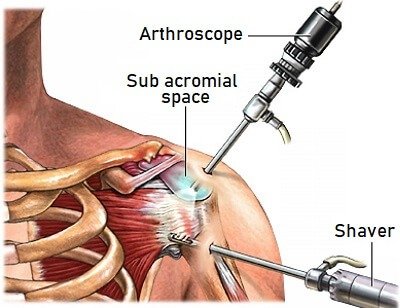
Subacromial decompression is a surgical procedure used to treat shoulder pain caused by impingement syndrome. This condition occurs when the tendons of the rotator cuff become irritated or compressed between the acromion (part of the shoulder blade) and the humeral head (the top of the upper arm bone). Over time, this friction can lead to inflammation, pain, and restricted movement of the shoulder.

Subacromial decompression aims to relieve this pain by removing or reshaping the part of the acromion that is causing the compression, thereby increasing the space available for the rotator cuff tendons.

Causes and Symptoms of Subacromial Impingement

Subacromial impingement can be caused by various factors, including:

  • Repetitive overhead motions: Sports or jobs that involve overhead movements (e.g., swimming, tennis, painting) can lead to wear and tear of the rotator cuff.
  • Aging: As we age, the tendons of the rotator cuff become more susceptible to injury and degeneration.
  • Bone spurs: Over time, bone spurs may develop on the acromion, causing further compression of the tendons.

Common symptoms of subacromial impingement include:

  • Pain or tenderness in the shoulder, especially when lifting the arm or reaching overhead
  • Weakness in the shoulder muscles
  • Limited range of motion
  • Swelling or inflammation around the shoulder joint

How Subacromial Decompression Works

The goal of subacromial decompression is to create more space in the shoulder joint for the tendons to move freely. The procedure involves:

  • Arthroscopic Surgery: In most cases, subacromial decompression is performed using an arthroscope, a minimally invasive tool that allows the surgeon to view the inside of the joint through small incisions.
  • Reshaping or Removal of Bone Spurs: The surgeon removes any bone spurs or reshapes the acromion to reduce the pressure on the rotator cuff tendons.
  • Tendon Evaluation: If any tears or damage to the rotator cuff tendons are found during the procedure, the surgeon may repair them at the same time.

Benefits of Subacromial Decompression

  • Pain Relief: The primary benefit of this procedure is the relief of chronic shoulder pain caused by impingement.
  • Improved Range of Motion: By removing the cause of tendon compression, patients often experience improved shoulder mobility.
  • Minimal Recovery Time: Since it’s typically performed arthroscopically, the procedure involves smaller incisions, which reduces the risk of complications and speeds up recovery.

Who is a Candidate for Subacromial Decompression?

Not everyone with shoulder pain is a candidate for subacromial decompression. It is typically considered when:

  • Conservative treatments, such as physical therapy, medications, and injections, have not provided adequate relief.
  • The patient has a significant rotator cuff impingement or a damaged acromion that is causing chronic pain and limiting function.
  • The patient has been experiencing symptoms for several months or years, and non-surgical interventions have not worked.

Recovery and Rehabilitation

While subacromial decompression is minimally invasive, proper recovery and rehabilitation are crucial to achieving the best outcome. Post-surgery recovery typically involves:

  • Rest and Ice: To manage initial pain and inflammation.
  • Physical Therapy: After the acute recovery phase, physical therapy will help restore strength, flexibility, and range of motion in the shoulder.
  • Activity Modifications: Avoiding overhead or strenuous activities for several weeks to ensure proper healing.

Patients usually return to normal daily activities in a few weeks, but full recovery, including return to sports or heavy lifting, may take several months.

Schedule a Consultation

If you’re suffering from chronic shoulder pain and believe subacromial impingement may be the cause, contact us to schedule a consultation. Our team will evaluate your condition and discuss whether subacromial decompression is the right treatment option for you.
