
ACL Tear
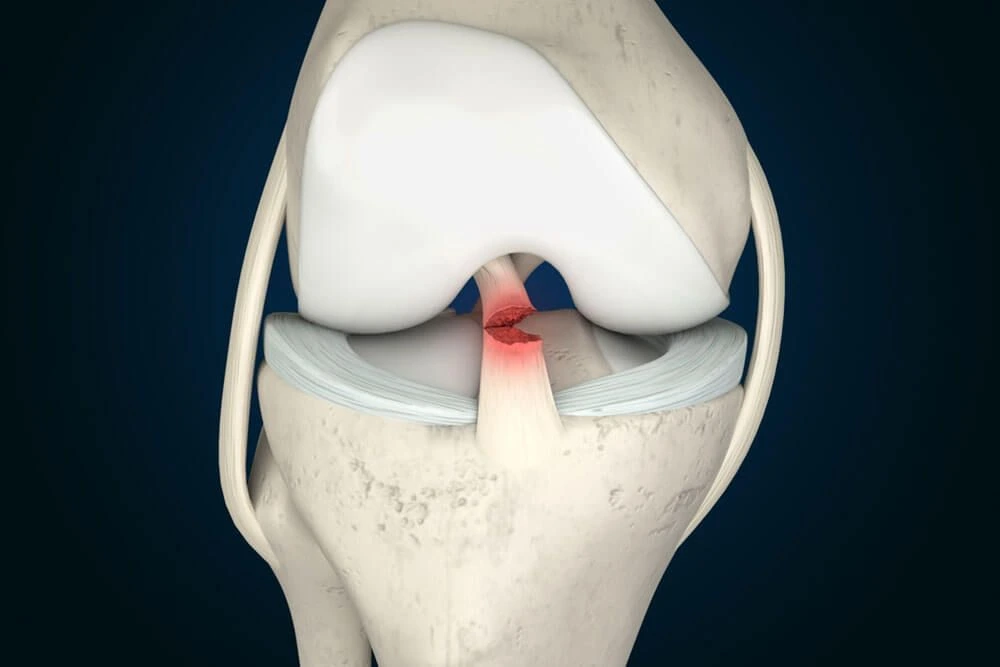
An ACL (Anterior Cruciate Ligament) tear is a common knee injury that often affects athletes and active individuals. The ACL, located in the center of the knee, helps stabilize the joint by preventing excessive forward movement and rotation of the tibia (shin bone) relative to the femur (thigh bone). ACL tears can range from partial tears to complete ruptures, typically occurring during activities that involve sudden stops, changes in direction, or impact.
Key Causes of ACL Tears:
Sudden Direction Changes: Quick pivoting or abrupt changes in direction can place significant stress on the ACL, especially in sports like soccer, basketball, and skiing.
Direct Impact: A forceful hit, such as in football or rugby, can lead to an ACL tear due to the excessive pressure on the knee joint.
Landing Incorrectly: Poor landing mechanics from a jump can also contribute to the risk of an ACL tear, especially in sports that require repetitive jumping.
Overextension: Hyperextending the knee, where the joint moves beyond its normal range, can strain and potentially tear the ACL.
Symptoms of an ACL Tear:
- Sharp Pain: Sudden, intense knee pain at the time of injury.
- “Pop” Sensation: Many people report hearing a popping sound when the injury occurs.
- Swelling: Swelling usually develops within 24 hours of the injury.
- Instability: A feeling that the knee may “give out” during movement.
- Restricted Mobility: Limited range of motion, especially with bending or straightening the knee.
Treatment Options:
Initial Management (RICE Protocol):
- Rest: Avoid activities that strain the knee.
- Ice: Apply ice packs to reduce swelling and pain.
- Compression: Use a knee brace or elastic bandage to minimize swelling.
- Elevation: Elevate the leg to further reduce swelling.
Physical Therapy: A structured physical therapy program focuses on strengthening the muscles around the knee, improving balance, and restoring range of motion. Therapy may be used as the primary treatment for less severe tears or as a pre-surgery preparation phase.
Surgery: For complete ACL tears or individuals with high physical demands, reconstructive surgery is often recommended. The procedure typically involves replacing the torn ACL with a graft taken from either the patient’s own tissue or a donor.
Rehabilitation: Post-surgical rehabilitation focuses on gradually restoring knee function through targeted exercises that rebuild strength, flexibility, and stability.
Key Benefits of ACL Tear Rehabilitation:
- Pain Management: Targeted exercises and therapies help reduce pain and swelling.
- Improved Stability: Strengthening surrounding muscles enhances knee stability, helping prevent future injuries.
- Increased Flexibility: Focused stretching exercises help regain knee flexibility and range of motion.
- Boosted Muscle Strength: Rehabilitation exercises strengthen both the injured and supporting muscles to provide better support and reduce stress on the knee joint.
- Injury Prevention: Through balance training and functional exercises, rehabilitation can prevent re-injury and support long-term knee health.
When to Consider ACL Tear Rehabilitation:
- After Injury Diagnosis: Early rehabilitation can help manage initial symptoms and prepare the knee for possible surgery.
- Post-Surgery Recovery: A structured rehabilitation program is crucial for recovery after ACL reconstruction surgery.
- To Enhance Knee Function and Stability: Even for those opting out of surgery, targeted therapy can improve knee function and reduce instability.
- To Prevent Further Injury: Rehabilitation supports the muscles around the knee, helping prevent re-injury during physical activities.
ACL tear rehabilitation is vital for athletes and active individuals to regain strength, restore movement, and return safely to physical activities. With the right treatment plan, most people with ACL tears can achieve full recovery and return to an active lifestyle.
